April 29, 2026

The Scene of the Crime
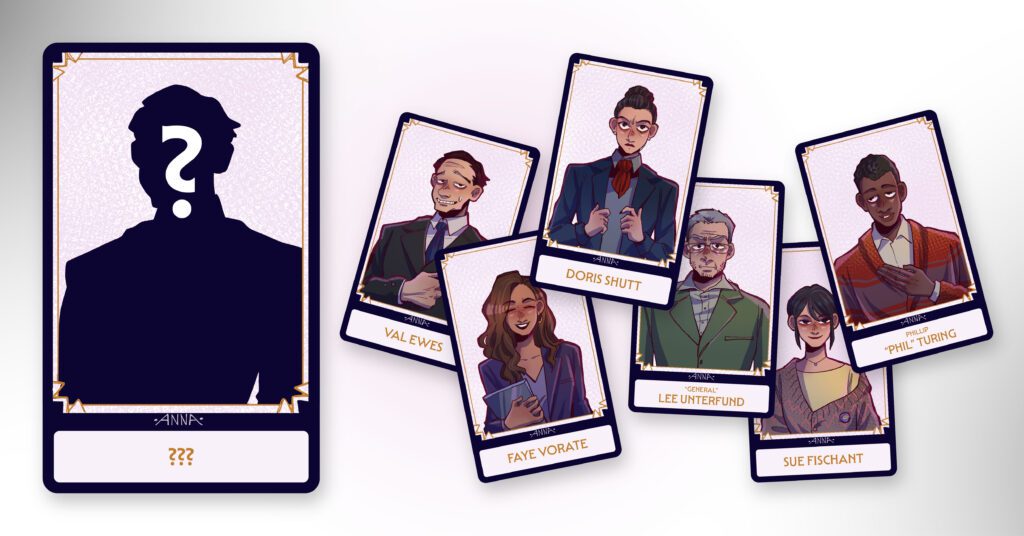
Employee Engagement was found abandoned, wandering the streets. Haggard and clinging to life, it had been put out to perish by mysterious forces it didn’t understand. But who would do such a thing?
Employee engagement in the U.S. has dropped 5 percentage points to 31% since 2020 and active disengagement has gone up 4 ppts. Only about half of employees feel they have clear expectations at work. The decline in engagement, and low engagement in general, has downstream impact, including lower productivity and higher intent to leave a company.
This case of the attempted murder of Employee Engagement is a peculiar one. It is well liked. People claim they prefer having it around. Its inclusion has clear benefits. And yet…
There are six suspects, and all of them say they’re innocent. Some of them even swear they were helping Employee Engagement! But with crimes like these the culprit rarely confesses. To solve this mystery, we’re going to have to take a closer look at the suspects.
Val Ewes—A Man With a Vision
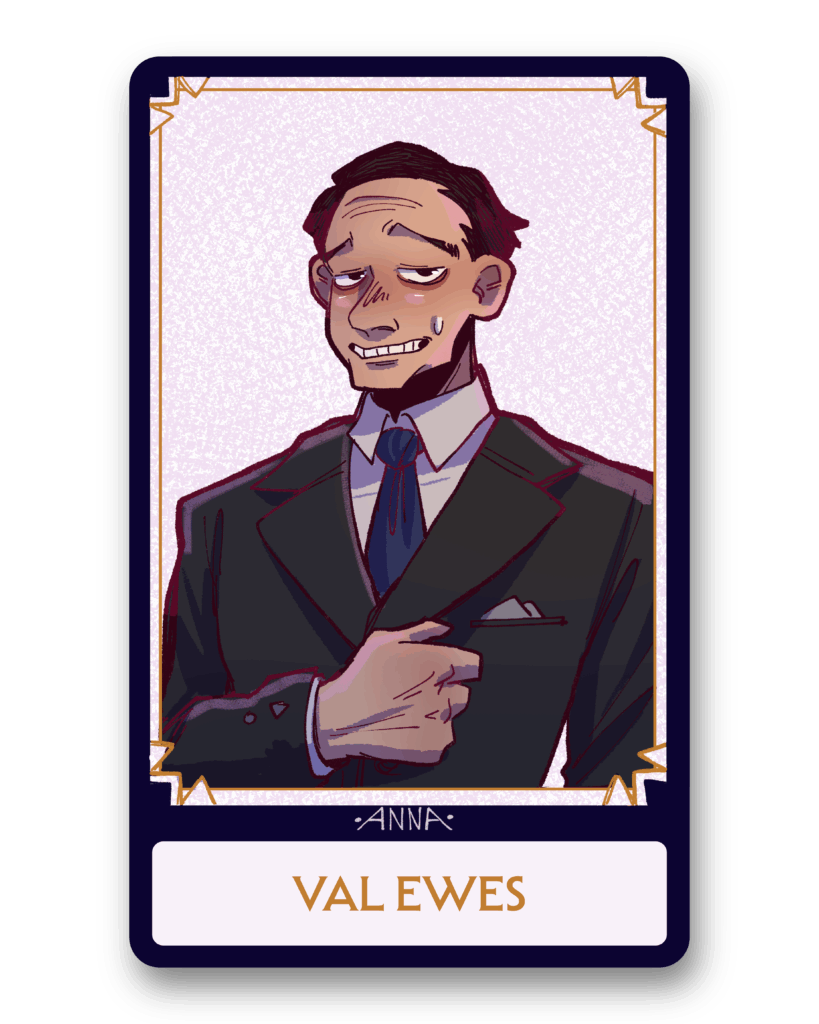
Employee Engagement had been getting a lot of its direction from Val Ewes. Val is a man who sounds passionate about his causes, talking at length about the good work he’s looking to do in the world. But if you spend enough time talking to him, you might start to notice Val is missing motivation.
He doesn't quite get what he's talking about. He’s got a lot of noble things he wants to do in the world, but he doesn’t know why or how. Employee Engagement had put a lot of faith in Val, and was excited about all the great purposes they would serve. But Val has always talked about grand plans, and he rarely (if ever) follows through. Employee Engagement had started to lose hope that Val was capable or even knew what he was doing.
Was Val Ewes even worth paying attention to?
Doris Shutt—The Manager Who's Always in Control
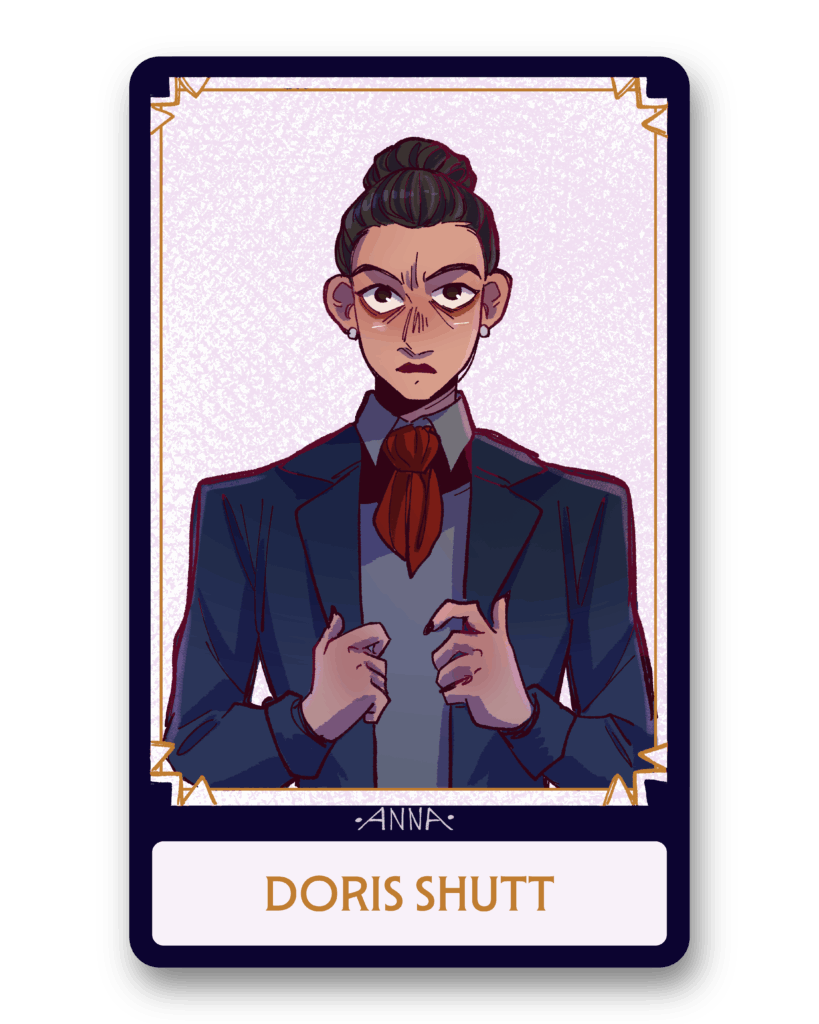
Doris Shutt was supposed to be Employee Engagement’s guide. Her resume is impeccable, her qualifications are sound, and she produces results. But communication always seems to be a one-way street with Doris. After all, she’s very busy and it was never supposed to be her job to teach anyone how to do their job.
Doris will tell you what she needs, and if anyone can’t figure out how do it, she’ll just have to carefully monitor the whole process. She has never been mean to Employee Engagement—she’s just extremely busy. She has always felt that if Employee Engagement was going to need anything, it was going to have to advocate for itself.
But if Doris Shutt isn’t there to support, advocate for, and guide Employee Engagement, who is?
Sue Fischant—A Helping Hand, But For Who?
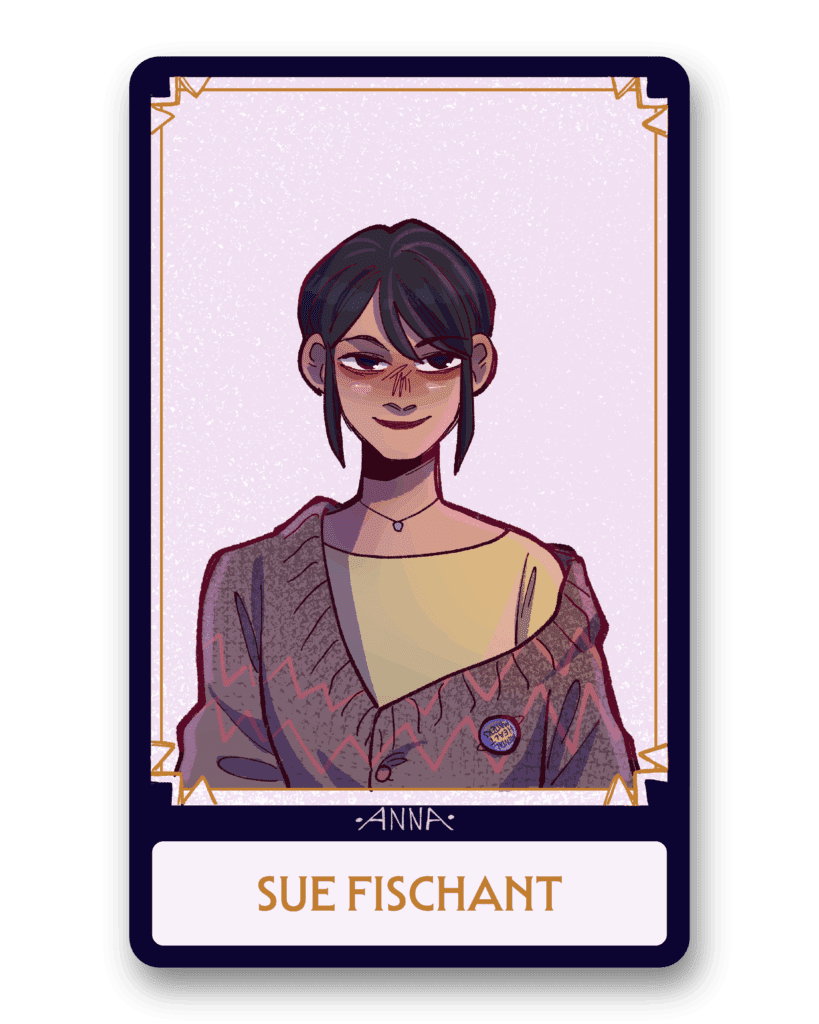
If you ask Sue Fischant, she’ll tell you that all the programs were in place to protect Employee Engagement. Wellness resources. A recognition program with high participation. A company intranet. According to her, anything Employee Engagement would need to help themselves was there for the taking. She didn’t need to check in on Employee Engagement, because everything was right there. That should be good enough. But all those resources didn’t really help—they weren’t what Employee Engagement needed at the time.
Sue Fischant put together the kind of support resources that would have been good enough for her, while Employee Engagement struggled and suffered the toll, unwatched.
Faye Vorate—She Sees Everyone, Or So She Thinks
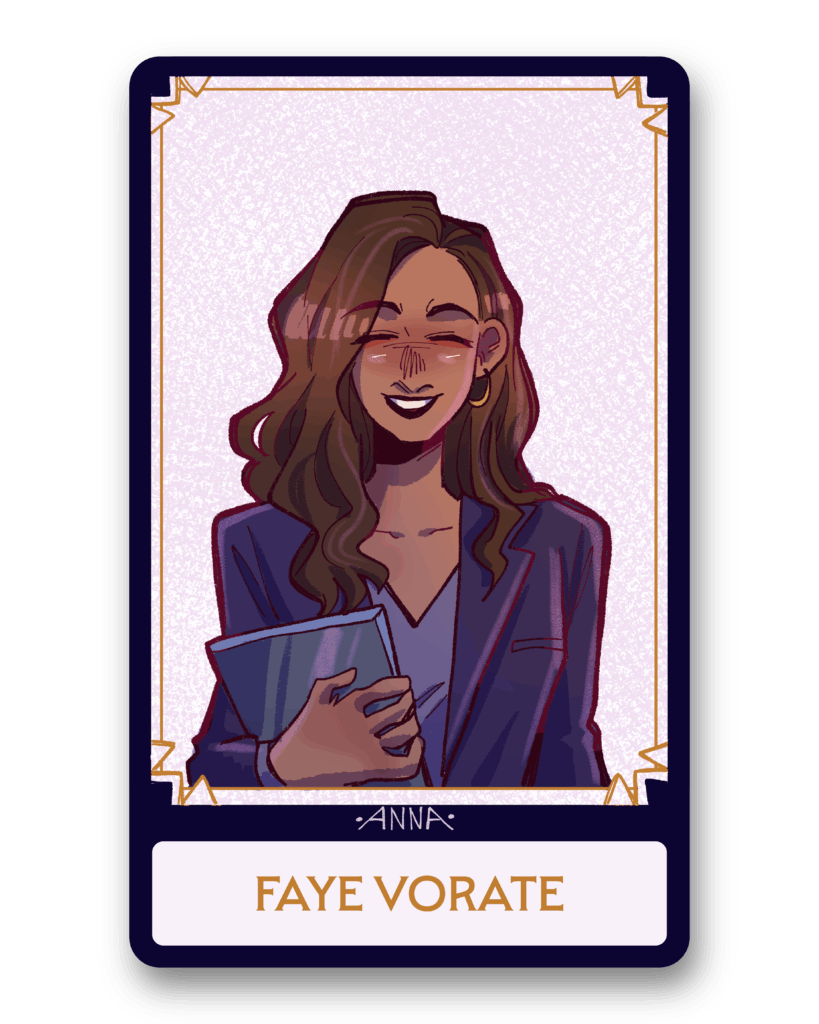
When it comes to acknowledging her team, Faye Vorate has always been there to celebrate the people she sees pulling the hardest. The people leading meetings, participating in chats, putting up big sales figures. If she sees someone succeeding out there, she will energetically celebrate them for it!
But Employee Engagement wasn’t included in Faye’s recognition much, because it didn’t spend time in her circle. Instead it was the people in those other, high-visibility roles who were celebrated. Faye Vorate was supposed to be everyone’s biggest cheerleader.
What was Employee Engagement doing wrong that it never got recognized? It didn’t even know where to start.
"General" Lee Unterfund—Does He Really Have the Right Tools for the Job?
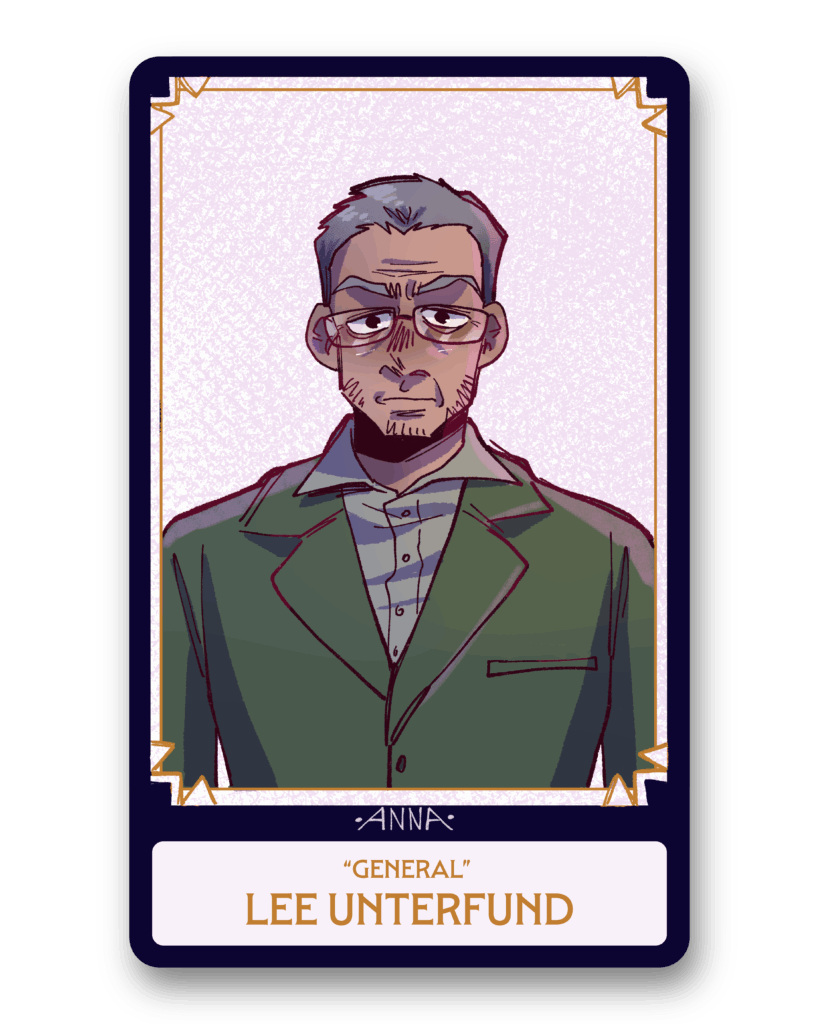
After an illustrious military career, “General” Lee Unterfund became a self-described expert in logistics and outfitting. The General will talk at length about the necessity of getting people the equipment and structure they need to carry out their goals, or “orders” as he’s prone to calling them. But Lee tends to provide his teams with the kind of resources he’s used to needing, not the tools they actually need.
Instead of Microsoft's Copilot, Lee is used to dealing with co-pilots in the air. He said Claude seems like “a good guy” who he’d really like to meet sometime. Due to his rigid ways, he leaves people feeling like they’re just short of what they need to be successful. "The General" is so stern about chain of command, people frequently feel like they’re not in control of figuring out how to solve their own problems.
Being underequipped by “General” Lee Unterfund and the resulting powerlessness was enough that Employee Engagement started to wonder: Was it the issue?
Phillip Turing—All Ears, But A Blind Eye?
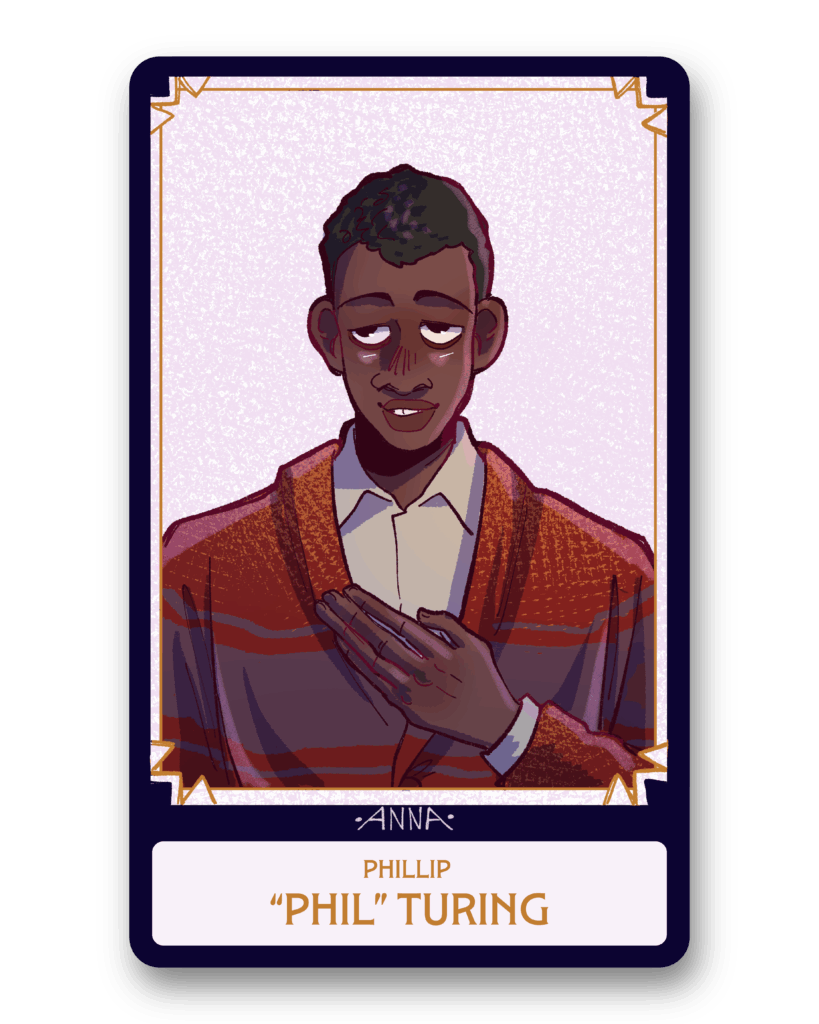
Employee Engagement was struggling. Was the problem with it? Where could it go for help? Who could it share its struggles with? Looking for a confidant, it went to Phillip Turing. Phil was happy to listen—welcomed it even. As Employee Engagement shared more about itself and its struggles, Phil nodded in agreement. Phil heard what Employee Engagement was saying but was quick to defend the rest of the crew with, “Well, they’re busy.” Or “They’re trying.” He heard everything but didn’t really understand what Employee Engagement was going through—its unique perspective on things.
Was it even worth telling anything to Phil Turing, or was it better to pretend everything was fine?
So, whodunit?
It turns out… they all did.
Each one of these suspects are detractors of Employee Engagement. Not enemies per se, but representative of mindsets that are, at best, not working in the interest of Employee Engagement and are at worst dragging it down.
Val Ewes is the lack of company purpose that employees identify with. Doris Shutt is leadership that isn’t open to what employees need. Sue Fischant is the company assistance resources that seem like enough on paper, but struggle to build employee wellness. Faye Vorate is the recognition program and promotion practices that see some employees while missing others. “General” Lee Unterfund is the lack of resources and support employees need to see a path to success. And Phil Turing is a culture where employees hide who they really are and what they really think.
These suspects are the opposite of the six pillars of an effective employee engagement program: Purpose, Leadership, Wellness, Equity, Empowerment, and Belonging. Experience and research shows employee engagement built on these concepts produces employees who are healthier, happier, more loyal, and more productive. Without them, you risk hurting your employee engagement more than anything else.
Now, with the six suspects out of the way, Employee Engagement is back on the road to health. But what about your employee engagement?
For a deeper dive into what might be killing your employee engagement, download our guide, Six Pillars to Drive Impactful Engagement, for in-depth analysis and description of each of the six pillars of employee engagement or reach out to us today if you’re ready to save your employee engagement from the usual suspects.
Art by Anna Skyts'ko (Insta: @lonelyweirdcat)