May 1, 2026


If you’re exploring employee reward systems, you’re likely facing a common challenge: keeping people engaged and committed to your organization. It’s not an easy task — according to Gallup, only 31% of employees worldwide are actively engaged at work, which costs the global economy $8.8 trillion in lost productivity.
Many organizations invest in rewards programs to motivate employees, but stop short of measuring whether those efforts drive business outcomes. Employee participation matters, but the more important question is whether your program influences factors like employee retention, satisfaction, and performance.
A well-designed employee reward system aligns rewards with the behaviors that drive business success, helping organizations reinforce their culture and directly connect recognition efforts to key outcomes.
In this blog, we’ll explore what an employee reward system is and how to build one that truly motivates employees.
Key Takeaways
- An employee reward system is a structured approach to recognizing and rewarding employees for contributions that drive business outcomes.
- Designing an effective rewards system requires aligning rewards with business goals, employee preferences, and company culture.
- Fair criteria, consistency, and ongoing communication are essential to building trust and participation in rewards systems.
- An employee rewards platform should help organizations manage, scale, and continuously improve their program over time.

What is an Employee Reward System?
An employee reward system is a structured approach to rewarding employees for their contributions and achievements at work. When designed intentionally, these programs can drive organizational goals by recognizing and reinforcing positive employee behaviors.
Employee reward systems typically include two main types of rewards:
- Monetary rewards: These are financial incentives, such as gift cards or performance-based bonuses tied to specific outcomes or milestones.
- Non-monetary rewards: These rewards express appreciation for employees in other ways, such as offering points that can be redeemed for merchandise, additional time off, professional development opportunities, or symbolic awards like custom trophies, plaques, or other personalized items that commemorate achievements.
Employee reward systems are most impactful when incorporated into a comprehensive employee recognition program. If employees clearly understand why they are being rewarded, it encourages them to repeat those behaviors and improves motivation and engagement.
Key Components of an Employee Reward System
Effective employee reward systems share a set of core foundational elements, including:
- Clear program goals
- Eligibility criteria
- Reward variety and flexibility
- Fairness and consistency
- Communication and visibility
- Measurement and optimization
Let’s take a closer look at how each of these components supports a fair and motivating program for employees:
Clear Program Goals
Clear goals give an employee reward system direction and purpose. Organizations often implement programs for specific reasons, such as improving engagement or retention.
When these goals are defined at the outset, it’s easier to align rewards criteria with business priorities and evaluate if the program is driving meaningful impact.
Eligibility Criteria
Along with program goals, eligibility criteria help define how the program will work in practice. They outline who is eligible to participate, what actions or achievements you plan to recognize, and how employees can earn rewards. Straightforward criteria builds trust in the program and encourages employees to participate.
Reward Variety and Flexibility
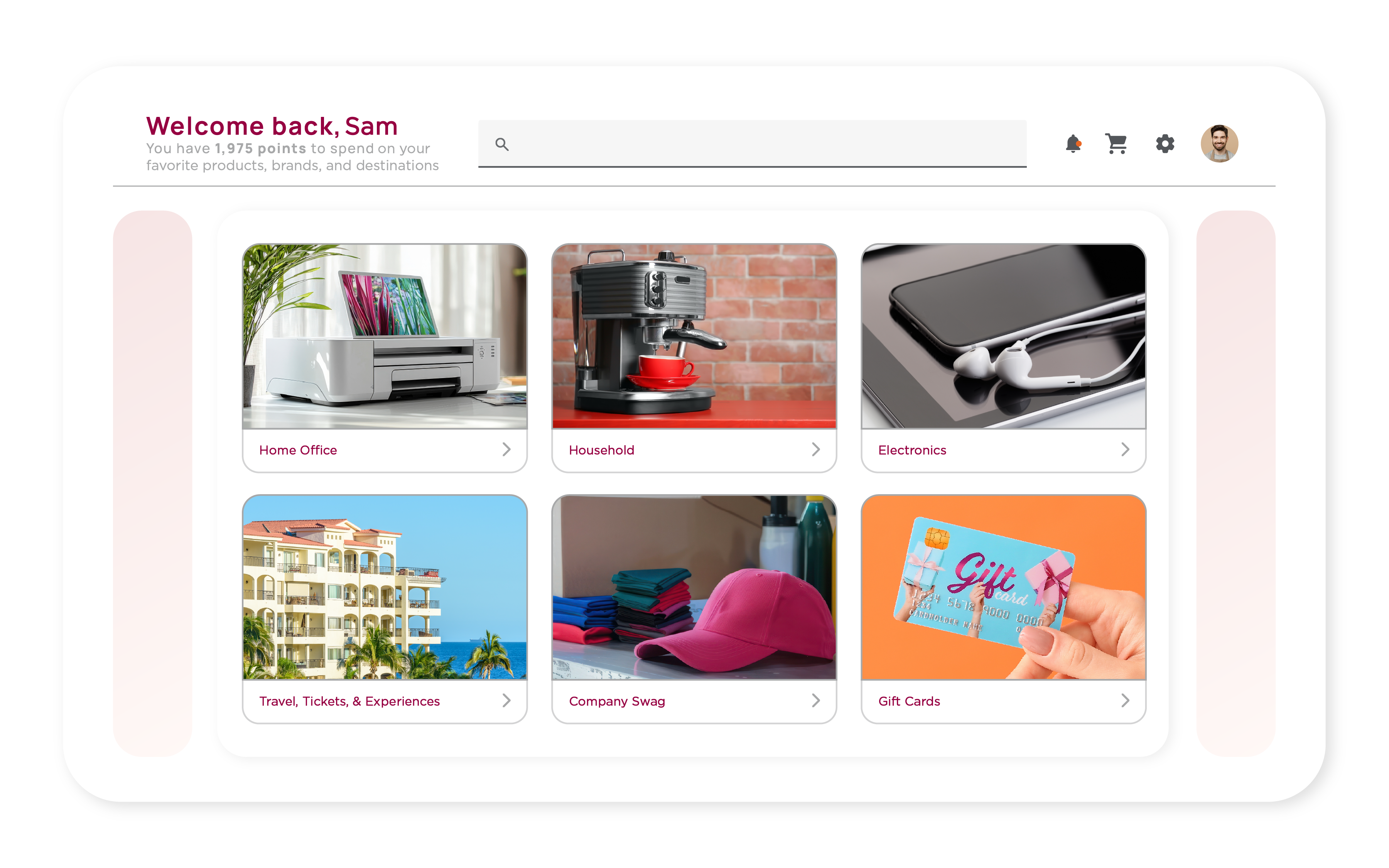
Reward options should reflect the interests and priorities of your workforce. While some employees prefer monetary rewards, like gift cards or bonuses, others may find greater value in a personalized gift or public recognition. A diverse set of rewards makes the program more relevant and effective for employees across different roles and life stages.
Fairness and Consistency
Consistency is key to maintaining a fair employee reward system. If rewards are distributed unevenly, it can erode trust and even lead to unhealthy competition. Transparent guidelines for how employees can earn rewards help ensure recognition is equitable across the organization.
Communication and Visibility
For a reward system to have an impact, employees first need to understand how it works. Clear, ongoing communication about how the program operates, why it matters, and how they can participate lays the foundation for strong engagement.
Measurement and Optimization
A reward system needs regular evaluation, but it’s important to think carefully about what you’ll measure.
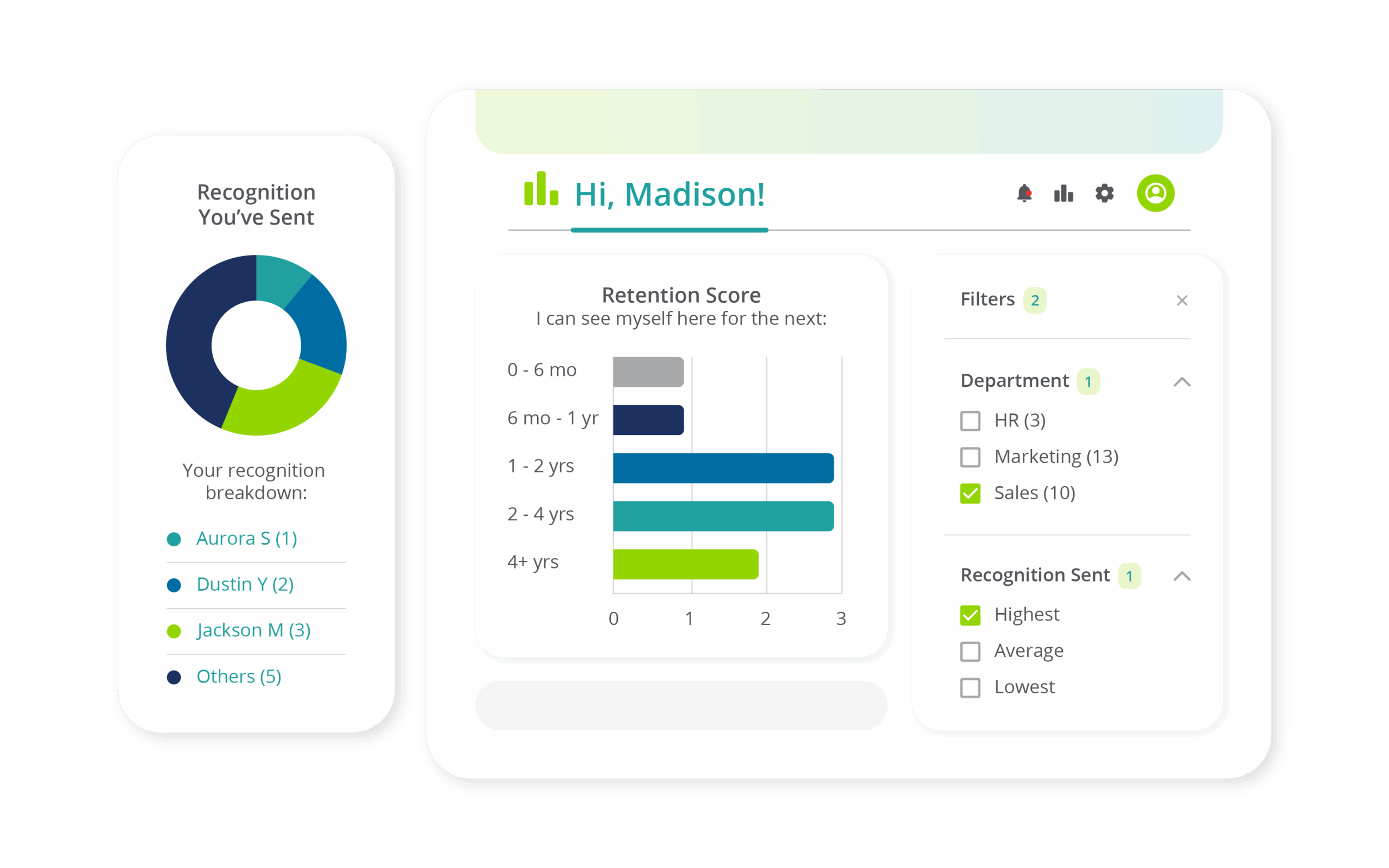
For example, tracking employee redemption rates only tells part of the story. To fully understand if your program motivates employees or drives business outcomes, you’ll also need to collect employee feedback and analyze its impact on outcomes like retention, productivity, and performance.
Steps to Design an Employee Reward System
Now that you understand the key components of an effective employee reward system, the next step is to put them into practice.
The following steps outline how to implement an employee reward system that’s aligned with your goals and designed to drive engagement.
1. Define Your Goals
Start by defining the outcomes you want your reward system to achieve. For example, you might set a goal to improve engagement, increase retention, reinforce specific company values, or drive higher performance. By setting measurable strategic goals at the outset, you can design rewards intentionally and, when combined with an engagement program, track their impact on business priorities.
2. Understand Employee Preferences
Next, gather input from employees about which rewards they find most meaningful and motivating. Surveys or feedback sessions can help you learn employee preferences for both monetary and non-monetary rewards, offering insight to tailor your reward offerings.
3. Align Rewards With Culture and Values
It’s also important to define how your reward system will reinforce specific organizational values. For example, employees might receive public recognition for behavior and accomplishments that showcase collaboration, innovation, or a strong customer focus. This alignment helps rewards feel intentional and tied to your company culture.
4. Choose Reward Types and Structure
Decide on a mix of reward types that will appeal to your employees, balancing non-monetary recognition like symbolic awards with monetary rewards such as gift cards and bonuses.
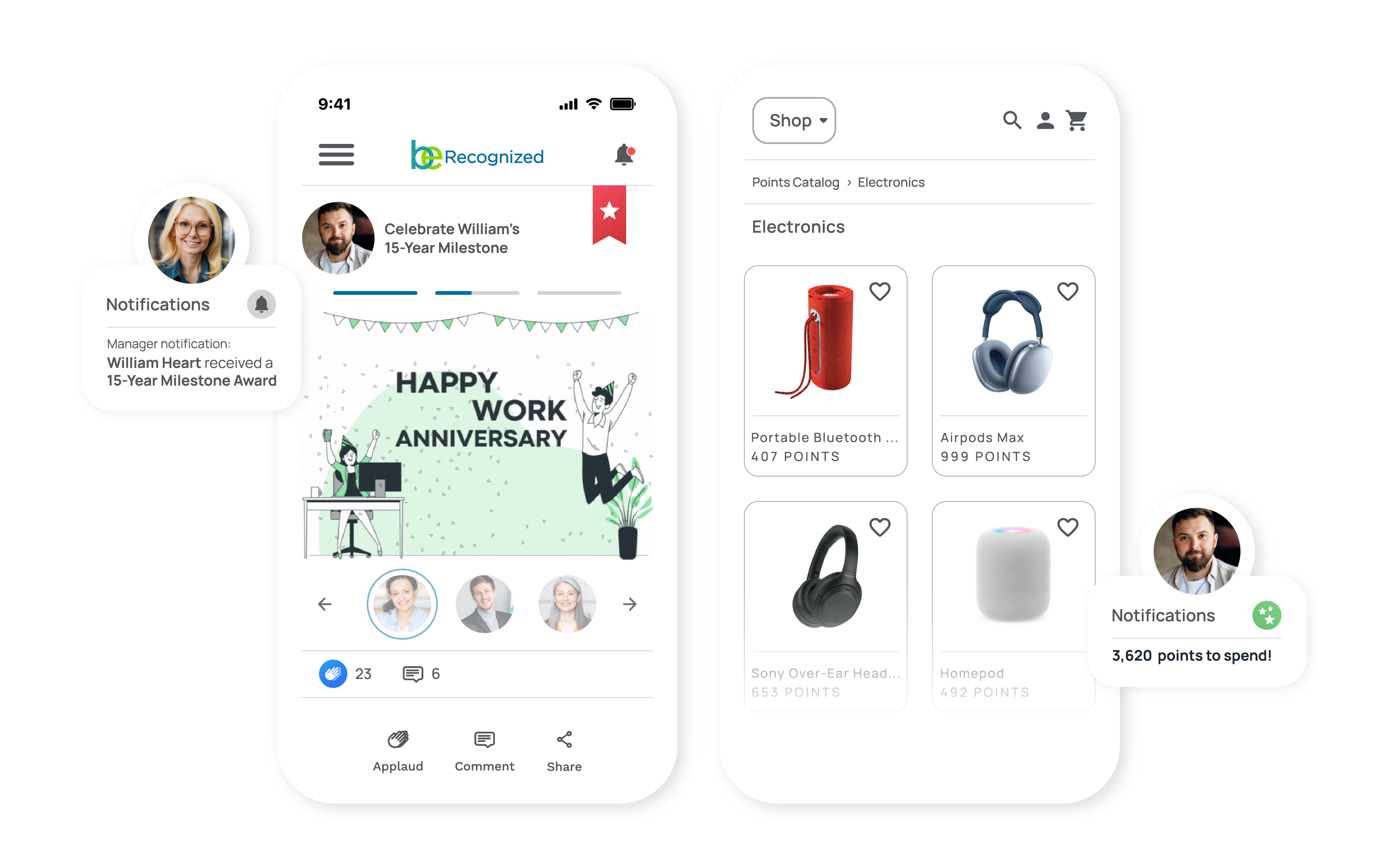
Then, determine the right structure to deliver those rewards. For example, a points-based system allows employees to earn and redeem rewards over time, while spot rewards recognize contributions in the moment.
5. Establish Clear Rules and Processes
Before rollout, define how the program will operate on a day-to-day basis. Outline who is responsible for approving rewards, how they will be issued, and how activity is tracked and reported. Clear processes support consistency and make the program easier for employees and managers to use.
6. Launch and Communicate the Program
Once the program is ready to launch, introduce it to employees with clear, structured communication. Explain how the program will operate, offering specific examples that show how they can earn rewards.
For example, if a company wants to motivate their sales team, they can communicate specific goals such as increasing sales or average transaction value and provide a clear set of standards that represent outstanding performance.
7. Review Results and Improve Over Time
Evaluate how the program is performing and identify opportunities for improvement. Look beyond participation rates to understand how the program is influencing engagement, behavior, and business outcomes.
Regular reviews and employee feedback can help you refine the program as your organization evolves.
What to Look for in an Employee Rewards Platform
The employee rewards platform you choose plays a critical role in the success of your rewards system. Even a well-designed program can fall short if it’s challenging for employees and administrators to manage.
When evaluating an employee rewards platform, consider the following factors:
Ease of Administration
A simple back-end experience helps your organization maintain a consistent rewards system. Program administrators should be able to easily approve rewards, manage budgets, and adjust settings within the platform.
Reward Choice and Personalization
Be sure your platform allows you to offer diverse reward options tailored to your team’s preferences. Employees should be able to choose a reward that feels meaningful to them, whether that’s merchandise, a travel experience, or a charitable donation.
Scalability
Your reward platform should be able to support your organization as you scale across teams, departments, and locations. Look for tools that are easy to access across devices and environments, ensuring all employees, including deskless workers, can participate without friction.
Integration Capabilities
Look for a platform that integrates with your existing tools, such as recognition platforms, communication systems, and performance management software. This level of connectivity helps streamline administrative processes, making it easier for employees to engage with the program.
Reporting and Insights
Access to data and analytics helps you understand how your reward program is performing. Your platform should offer dashboards that go beyond basic metrics like participation and reward redemption, connecting program activity to employee sentiment, retention, and performance so you can clearly measure ROI.
User Experience
A rewards platform should be easy for both employees and administrators to use. When the user experience is simple, team members across all levels are more likely to participate regularly, making recognition part of everyday workflows.
Build an Employee Reward System That Drives Impact
For an employee reward system to be effective, it has to be designed with a clear intention at the outset. When rewards are tied to the outcomes your business cares about, like retention, engagement, and performance, they encourage the behaviors that help your organization succeed.
As you build and scale your program, your employee rewards platform should help you go beyond surface-level metrics, giving you the visibility to measure impact and continuously optimize your approach.
Is your employee rewards system delivering the impact you want? Explore Terryberry's Employee Reward Platform to create a more personalized, efficient, and impactful rewards experience.
Employee Reward System FAQs