May 11, 2026


A staff morale survey helps companies understand how current employees feel about their jobs. Here, we'll explain what a staff morale survey is, why it’s important, and how to create one. You’ll also learn how to analyze the results to make meaningful improvements.
Key Takeaways
- High staff morale boosts productivity, job satisfaction, and retention, making it essential for organizational success.
- Regularly conducted staff morale surveys provide valuable insights into employee sentiments and help identify areas for improvement.
- Effective survey implementation, analysis, and transparent communication foster a positive work environment and sustain high morale.

Understanding Staff Morale
Staff morale plays a major role in organizational success, shaping productivity, retention, and overall workplace culture. It reflects how employees feel about their work, their colleagues, and the environment they work in each day, all of which directly influence job satisfaction and engagement.
When morale is high, employees tend to feel more motivated, connected, and invested in their work. They’re often more productive, deliver higher-quality results, and contribute to a stronger, more collaborative workplace culture. High morale also supports an engaged workforce that is committed to achieving organizational goals.
On the other hand, low morale can quickly affect both employees and the business as a whole. Disengaged employees, reduced enthusiasm, absenteeism, and higher turnover rates can all stem from a negative work environment, ultimately impacting performance and productivity across the organization.
Strong leadership, open communication, and a supportive workplace culture are essential for maintaining positive employee morale. When employees feel heard, valued, and supported, organizations are better positioned to build a healthier, more productive work environment.
What is a Staff Morale Survey?
Employee survey templates are tools designed to evaluate the mood, satisfaction, and engagement of employees within an organization.
The primary purpose of these surveys is to assess employee sentiment and identify areas that need improvement. Understanding employees’ feelings about their roles, the company, and their daily tasks helps organizations make informed decisions to enhance workplace satisfaction and improve employee morale.
These surveys play a crucial role in discerning the factors that contribute to both low and high employee morale, allowing management to address issues effectively. Understanding employee feedback through these surveys not only improves management practices but also supports the overall company culture.
Regular employee morale surveys enable organizations to continuously monitor employee satisfaction and attitudes to assess employee morale, ensuring a positive and productive work environment.
Key Components of Staff Morale Surveys
An effective staff morale survey asks the right questions. They include several key components that provide a comprehensive understanding of employee sentiment. Be sure to include employee survey questions about:
- Job satisfaction
- Work-life balance
- Company culture
- Team morale
- Wellbeing
These surveys typically include multiple-choice questions, rating scales, and open-ended questions to gather comprehensive feedback. This variety helps capture a wide range of information, making it easier to identify specific areas for improvement and boost overall workplace satisfaction.
RELATED: 32 Pulse Survey Questions to Boost Employee Engagement
Benefits of Conducting Staff Morale Surveys
Conducting staff morale surveys offers numerous benefits for organizations. Firstly, these surveys help identify factors that influence job satisfaction, enabling management to address them effectively.
Moreover, staff morale surveys contribute to improved employee retention by reducing turnover rates through understanding employee needs and addressing their concerns.
High employee engagement, fostered by acting on feedback from morale surveys, results in lower absenteeism and decreased turnover. This engagement is crucial for maintaining a committed and productive workforce.
Finally, regularly conducting morale surveys enhances workplace culture by fostering an environment of open communication and collaboration. Addressing feedback and valuing employees’ opinions help organizations nurture a positive workplace culture that attracts and retains top talent.
This ongoing engagement promotes a sense of belonging and commitment among employees, further boosting morale and overall organizational success.
Crafting Effective Staff Morale Survey Questions
Designing an effective staff morale survey requires a clear understanding of the objectives and ensuring the questions facilitate actionable feedback.
Survey questions should be clear and unbiased to avoid confusion and ensure integrity in responses. Limiting survey length is crucial to maintain engagement and prevent survey fatigue among employees.
Incorporating a variety of question formats, such as multiple-choice, Likert scale, and open-ended questions, helps gather comprehensive data. Offering anonymity encourages honest feedback and ensures employees feel safe to express their true sentiments.
Good employee morale survey questions aim to achieve specific, actionable feedback that can lead to tangible improvements.
Measuring Job Satisfaction
Measuring job satisfaction is crucial for understanding employee happiness and improving workplace morale. Morale rating scales, such as 1 to 5 or from ‘Strongly Disagree’ to ‘Strongly Agree’, can effectively quantify employee sentiment.
For example, a question to evaluate job satisfaction could be, “How satisfied are you with your current job role?” Respondents might answer using a scale of 1 to 5.
Questions should also explore career growth, development opportunities, and compensation fairness. Addressing these areas helps organizations understand how employees perceive their roles and identify potential areas for improvement.
Measuring job satisfaction allows organizations to take proactive steps to enhance employee morale and employee satisfaction, leading to satisfied employees.
Evaluating Employee Engagement
Evaluating employee engagement is essential as it correlates strongly with high performance. These types of questions also reveal how connected employees feel in their work environment.
One example of a question could be, “Do you feel valued?” Another way to phrase it is, “Do you feel appreciated for your contributions?”
Understanding employee engagement allows managers to identify ways to increase staff passion and commitment among engaged employees.
Negative responses to engagement questions indicate areas that managers need to address to improve morale.
Assessing Work-Life Balance and Well-being
A supportive work-life balance is crucial for maintaining high morale, employee happiness, and productivity. Surveys will need to gauge employees’ feelings about their workload to identify potential burnout risks.
Questions about flexible work arrangements and workload can help organizations understand how to better support employees’ personal and professional lives. By addressing work-life balance, companies can enhance overall job satisfaction and employee well-being.
Examples of employee morale survey questions
Overall Employee Morale
- How would you rate your overall morale at work?
- How motivated do you feel to do your best work each day?
- How satisfied are you with your current role?
- How positive do you feel about coming to work each day?
- Do you feel proud to work for this organization?
- How likely are you to recommend this company as a great place to work?
Employee Engagement
- Do you feel engaged in your daily work?
- Does your work feel meaningful and valuable?
- Do you understand how your work contributes to organizational goals?
- Do you feel encouraged to share ideas and feedback?
- Do you have opportunities to learn and grow professionally?
Leadership and Management
- Do you feel supported by your manager?
- Does leadership communicate clearly and transparently?
- Do leaders demonstrate genuine care for employees?
- Do you trust company leadership to make good decisions?
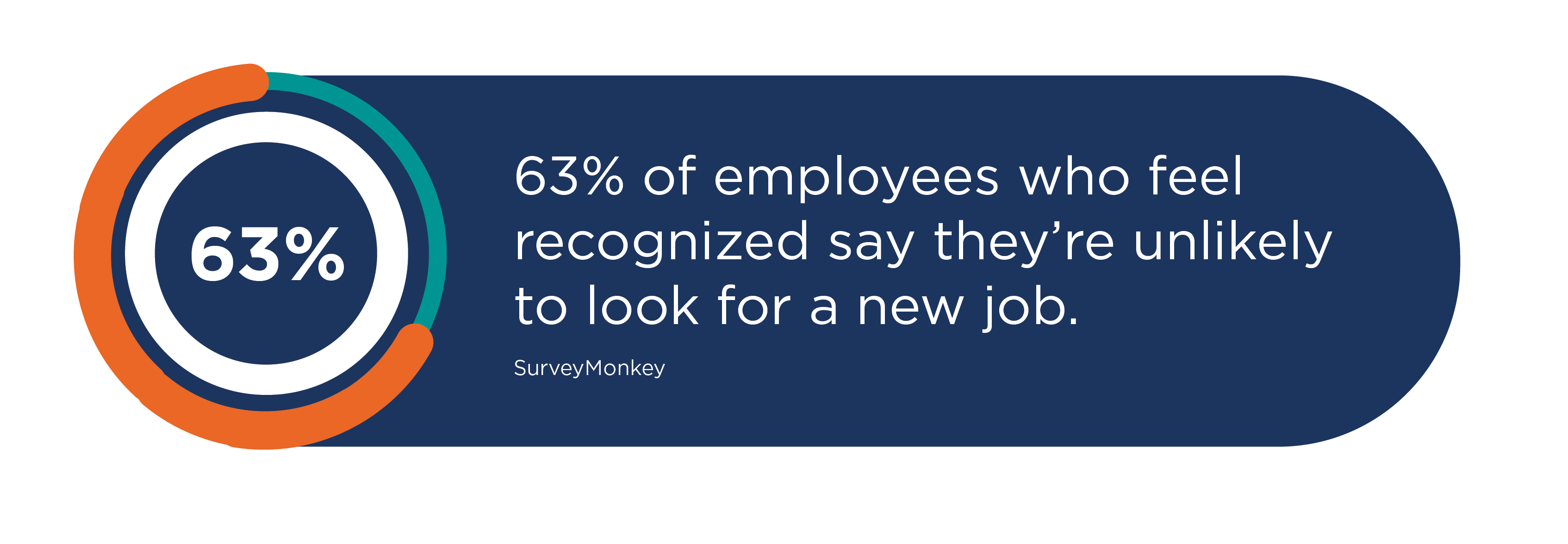
- Does your manager recognize and appreciate your contributions?
Recognition and Appreciation
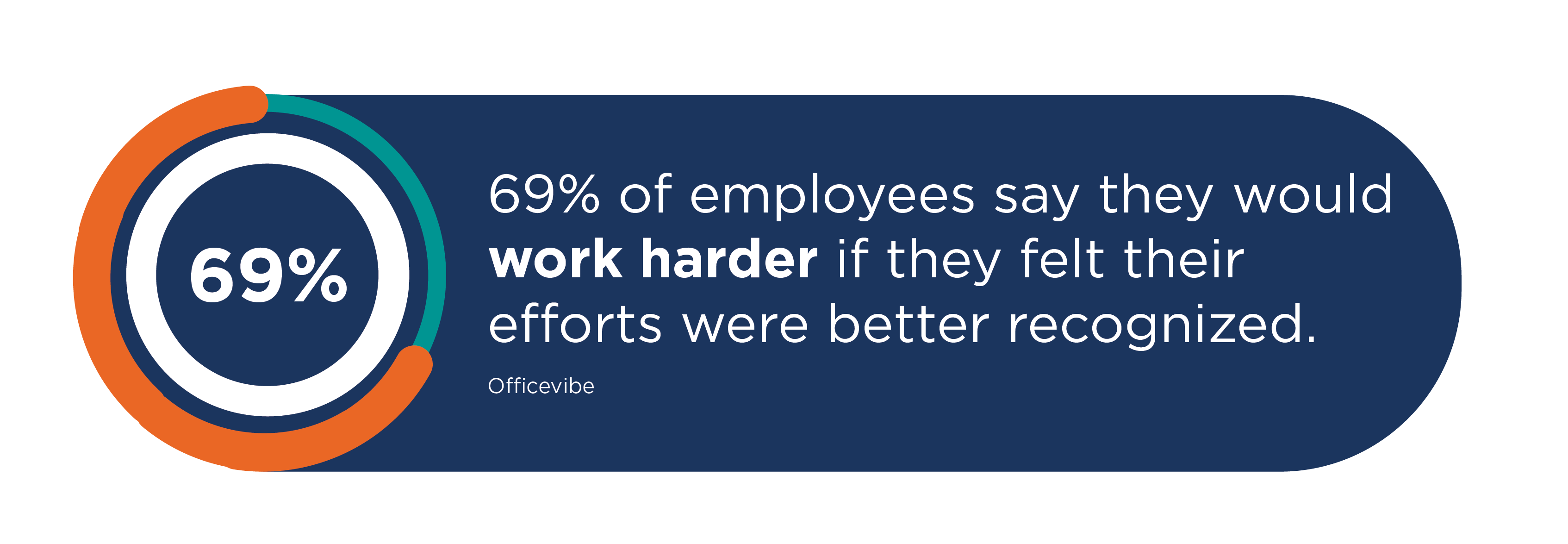
- Do you feel valued for the work you do?
- How often do you receive meaningful recognition for your efforts?
- Is recognition given fairly across the organization?
- Do you feel appreciated by your coworkers?
- Does the company celebrate employee achievements effectively?
Workplace Culture
- Would you describe the workplace culture as positive?
- Do you feel respected and included at work?
- Do employees collaborate effectively across teams?
- Do you feel comfortable expressing your opinions at work?
- Does the organization foster a sense of belonging?
Communication
- Do you feel informed about important company updates?
- Is communication between departments effective?
- Do you feel comfortable providing honest feedback?
- Does leadership listen to employee concerns?
- Are expectations communicated clearly?
Workload and Work-Life Balance
- Is your workload manageable?
- Do you feel supported in maintaining work-life balance?
- Do you have the resources needed to do your job effectively?
- How often do you feel stressed or burned out at work?
- Does the company support employee well-being?
Career Development
- Do you see opportunities for career growth within the organization?
- Do you receive helpful feedback that supports your development?
- Does the company invest in employee training and development?
- Do you feel your skills are being used effectively?
- Are you satisfied with your professional growth opportunities?
Team Dynamics
- Do you feel connected to your team?
- Do team members support one another?
- Is there a strong sense of collaboration within your department?
- Do conflicts get resolved respectfully and effectively?
- Do you feel comfortable asking coworkers for help?
Open-Ended Questions
- What is one thing the company does well to support employee morale?
- What changes would most improve your workplace experience?
- What motivates you most at work?
- What challenges negatively impact your morale?
- Is there anything else you would like leadership to know?
How to Implement a Staff Morale Survey
Implementing a staff morale survey effectively begins with defining clear objectives. Organizations should focus on aspects like job satisfaction, communication, and work-life balance.
Selecting the right method, whether online surveys or paper forms, depends on organizational needs. But remember, ensuring anonymity is critical to encourage honest and open responses.
Pilot testing the survey with a small group can help refine questions and format before a wider rollout. Surveys should be conducted annually or semi-annually to gauge morale effectively while avoiding high-stress periods to ensure accurate reflections of morale.
Analyzing Employee Feedback and Taking Action
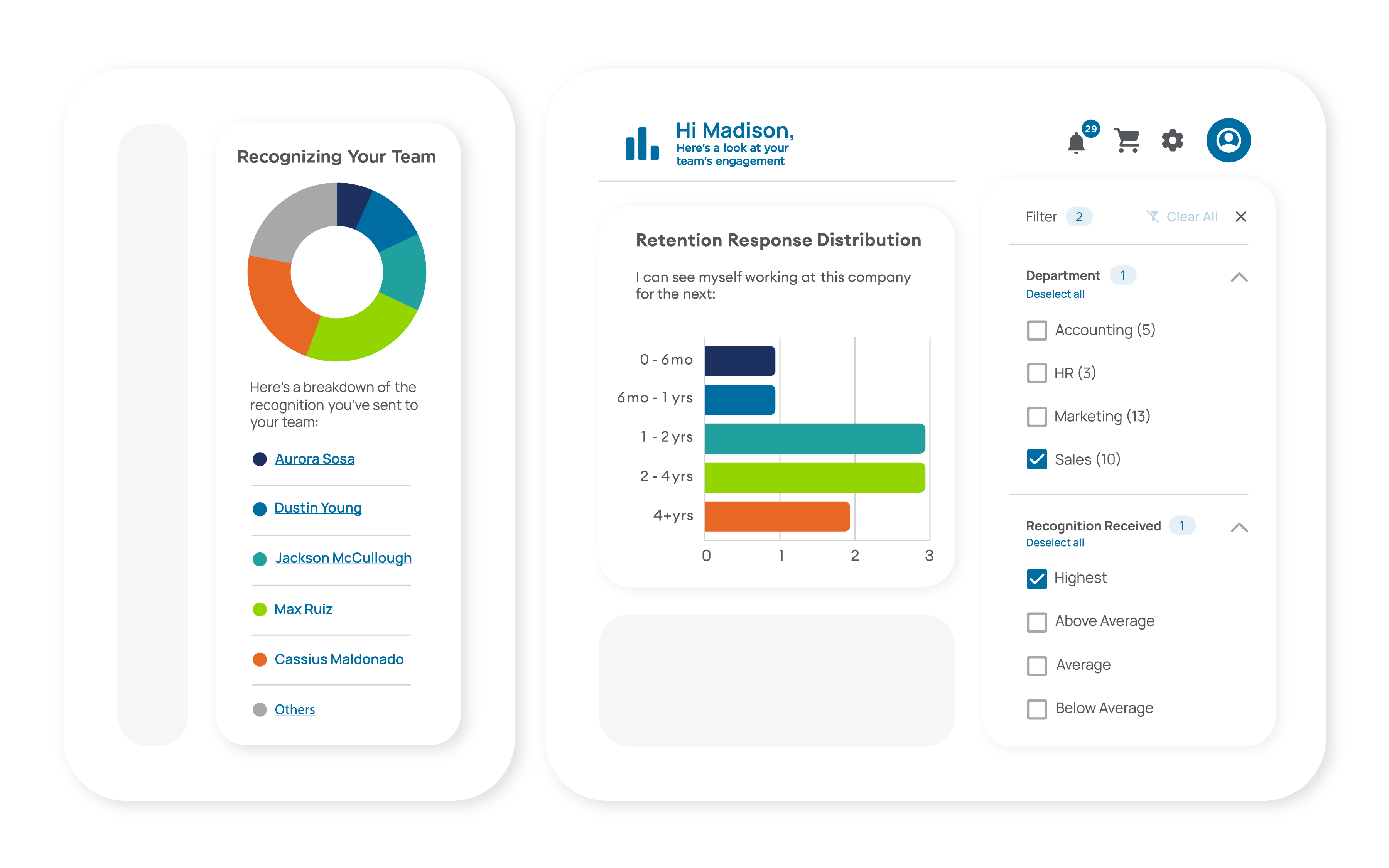
Analyzing collected survey data provides essential insights into employee morale. Defining clear objectives before reviewing survey data helps make the analysis more focused and actionable. Contextualizing survey scores by comparing them with previous data or industry standards can provide deeper insights.
Segmenting survey results by various demographics helps understand the unique needs of different employee groups. Incorporating qualitative feedback adds depth and context to the numerical data collected. Transforming survey results into specific actionable insights ensures that employee feedback leads to tangible improvements.
Creating a prioritized action plan based on survey findings ensures that the most critical issues are addressed first. Regular follow-ups on implemented changes and pulse surveys help monitor ongoing employee engagement. Transparent communication about survey results and subsequent actions is key to maintaining employee trust and engagement.
With tools like Terryberry's Be Heard, organizations can access reporting dashboards and trend analysis tools that make it easier to identify patterns and take meaningful action.
Monitoring and Sustaining Employee Morale
Monitoring employee morale is crucial for discovering morale issues early and leveraging positive aspects to maintain a high morale environment. Techniques to monitor employee morale include employee surveys, one-on-one meetings, stay and exit interviews, focus groups, feedback platforms, and pulse surveys.
Periodic survey evaluations help track employee morale over time and understand broader issues. Regularly conducting employee surveys demonstrates to staff that their input is valued, which can enhance morale. By consistently monitoring and addressing employee concerns, organizations can sustain high morale and foster a positive workplace culture.
Summary
By carefully designing surveys, analyzing data, and implementing changes based on meaningful feedback, organizations can foster a positive work environment that promotes employee well-being and productivity.
Ultimately, prioritizing your workers' morale is essential for maintaining a happy and productive workforce. Regularly conducting surveys and acting on the feedback can lead to sustained high morale and organizational success.
Making a commitment to listen to employees and create a workplace where everyone feels valued and appreciated is the key to improving employee morale.