April 13, 2026


Employee rewards play a critical role in how you attract, motivate, and retain talent, but many programs fall short of delivering meaningful results.
One reason is that recognition itself is often inconsistent. Only one in three employees strongly agrees they received recognition in the past week, according to Gallup. When recognition is infrequent or not aligned with what employees actually value, it becomes harder for rewards programs to create a lasting impact.
At the same time, many organizations rely on surface-level metrics like participation or reward distribution to measure success. But those metrics don’t always reflect how employees actually feel.
To have a real impact, your rewards strategy needs to go beyond activity and focus on what actually improves engagement, strengthens culture, and supports retention.
Key Takeaways
- Employee rewards programs are most impactful when they support recognition and are aligned with business goals like engagement, retention, and performance, as well as company values.
- Offering a mix of employee rewards, such as symbolic awards, experiences, and flexible options, helps you meet different employee preferences and increase program relevance.
- The best employee rewards strategies combine recognition and rewards to reinforce behaviors and create a more consistent employee experience.
- Participation alone doesn’t equal engagement, so it’s important to measure employee rewards using feedback and sentiment insights, not just activity.
- Simple, easy-to-use employee rewards experiences increase participation and make your program more effective over time.
What are Employee Rewards?
Employee rewards are incentives you give to employees to reinforce positive behaviors, achievements, or milestones. They can take many forms, from simple options like gift cards to more personalized or experience-based rewards.
Rewards are often used alongside recognition, with recognition acknowledging contributions and rewards reinforcing those moments.
When you use employee rewards effectively, you can:
- Increase motivation and performance
- Improve employee retention and reduce turnover
- Reinforce company values and desired behaviors
- Build a stronger and more consistent workplace culture
Types of Employee Rewards
Employee rewards can take many forms depending on your workforce, culture, and program goals. The most effective rewards programs don’t rely on a single option. Instead, they provide variety and flexibility so employees can choose what matters most to them.
Common types of employee rewards include:
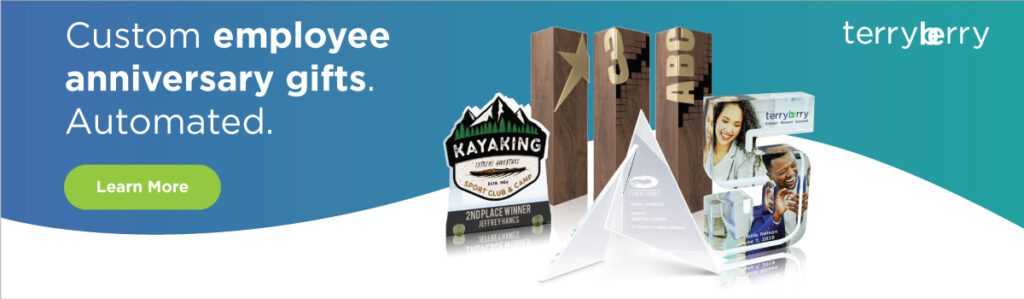
- Symbolic awards: Tangible, lasting items that commemorate meaningful achievements and milestones, such as years of service or major career contributions. Unlike transactional rewards, symbolic awards are designed to carry emotional significance and serve as a lasting reminder of recognition.
- Experiential rewards: Experiences like travel, events, or unique activities that create lasting memories.
- Personalized gifts: Tailored items based on individual preferences, interests, or achievements.
- Wellness and self-care rewards: Benefits that support physical and mental well-being, such as fitness memberships or wellness stipends.
Offering multiple types of employee rewards helps you create a more flexible, inclusive, and personal recognition strategy, especially across in-person, remote, and hybrid teams.
Employee Rewards Examples
Employee rewards programs are most effective when you combine tangible, experiential, and flexible options. The right mix allows you to meet different employee preferences while reinforcing the behaviors that matter most to your organization.
Consider these employee rewards examples and how they can support your program goals:
Milestone Rewards
Milestone rewards recognize important moments such as service anniversaries, career milestones, or major project completions. They reinforce long-term commitment and help employees feel genuinely valued over time.
For these moments, symbolic awards can play an especially important role. Custom-designed awards that reflect the individual, the achievement, and your organization carry more meaning and create a lasting reminder of the moment.
Works best for: Formal recognition programs and reinforcing loyalty
Performance Rewards
Performance rewards are tied to specific achievements such as sales targets, team goals, or innovation milestones. They help connect employee effort to business outcomes while reinforcing a culture of high performance.
Works best for: Motivating results and aligning employees with company priorities
Gift Cards
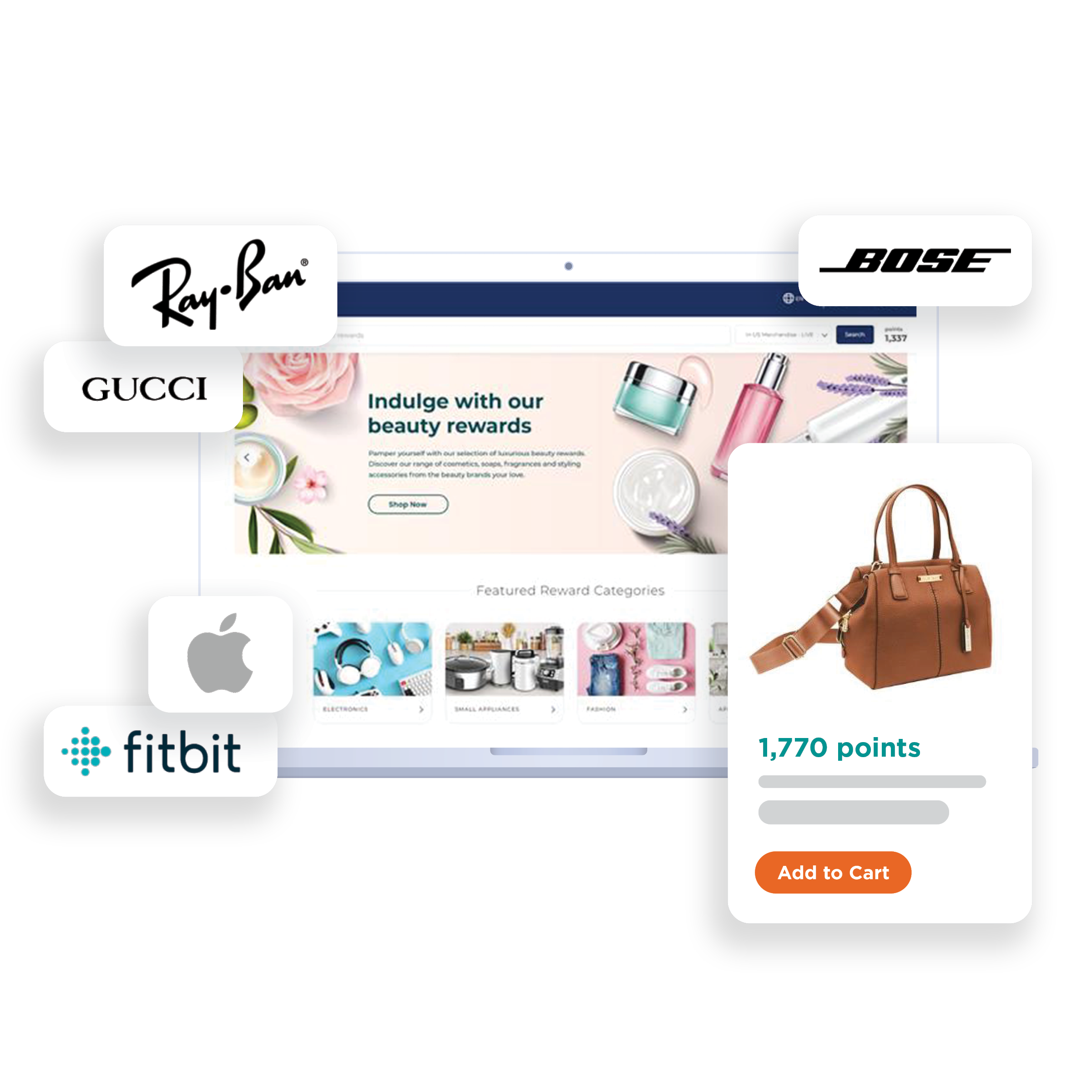
Gift cards offer additional flexibility, giving employees the freedom to choose something meaningful to them. They’re easy to distribute and tend to appeal across a wide range of roles and preferences.
Works best for: Programs where simplicity is a top priority
Paid Time Off
Additional PTO, flexible scheduling, or half-day rewards give employees time to recharge. Time-based rewards can have a strong impact on well-being and overall job satisfaction.
Works best for: Well-being-focused cultures and high-value recognition moments
Company-Branded Items
High-quality branded merchandise can create a sense of belonging and reinforce company identity. Premium or exclusive items are more likely to feel thoughtful and worth keeping.
Works best for: Culture-building and visible recognition
Event Tickets or Off-Site Activities
Experiences such as sports events, concerts, or team outings create memorable moments and help strengthen team connections. Shared experiences often leave a more lasting impression than one-time incentives.
Works best for: Team recognition and shared experiences
Wellness Perks
Wellness perks such as fitness or wellness stipends, gym memberships, and mental health resources help support employee well-being and address burnout. They also signal that you value employees beyond their day-to-day output.
Works best for: Supporting long-term engagement and employee health
Professional Development Stipends
Providing access to courses, certifications, or conferences helps employees grow their skills and advance their careers. This type of reward shows investment in long-term development.
Works best for: Growth-focused cultures and retention of high-performing employees
For even more inspiration for your program, explore our list of employee rewards and recognition ideas.
What’s the Difference Between Employee Rewards vs. Employee Recognition?
Employee recognition and employee rewards are closely connected, but they’re not the same.
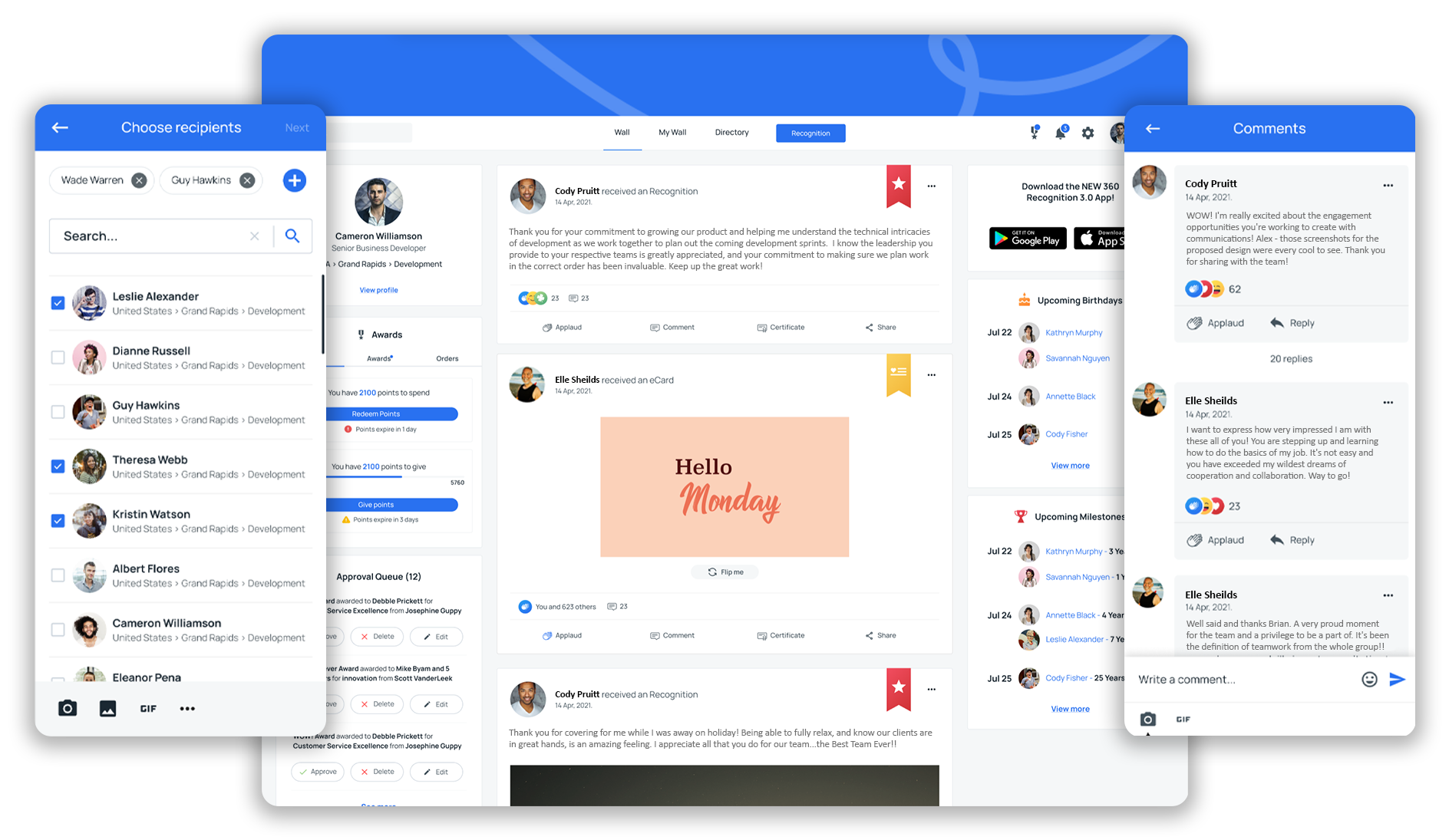
- Recognition is how you acknowledge and appreciate employee contributions, whether that’s through a message, a public shoutout, or a moment of appreciation.
- Rewards build on that by adding something employees can experience, use, or enjoy as a result of that recognition.
You need both to create a worthwhile experience. If you rely only on rewards, recognition can start to feel transactional. If you rely only on recognition, the impact may fade over time.
When you bring the two together, you create a more consistent and meaningful approach that reinforces culture, strengthens engagement, and supports performance.
How to Design an Employee Rewards Program
An effective employee rewards program should be intentional, scalable, and aligned with what your employees actually value. To build a program that drives real impact, here are a few key steps to focus on:
Align rewards with company values and goals
Start by making sure your employee rewards reinforce the behaviors and outcomes that matter most to your organization, whether that’s collaboration, safety, innovation, or performance.
Offer reward variety
Not every employee is motivated by the same thing. Offering a range of reward options gives people the flexibility to choose what feels valuable to them and helps your program resonate across different roles and work environments.
Balance consistency with personalization
Your program should feel consistent and fair, but not rigid. Keep a clear structure in place while allowing room to tailor rewards to individual preferences and moments that matter.
Make rewards easy to access and redeem
If a rewards platform is hard to use, rewards lose their value quickly. Keep the experience simple so employees can access and redeem rewards without frustration.
Gather employee feedback consistently
The only way to know what’s working is to ask. Use surveys, pulse checks, and listening tools to understand how employees experience your program and what they value most. Just as important, act on that feedback so employees can see that their input leads to real change.
Measure participation, but don’t confuse it with engagement
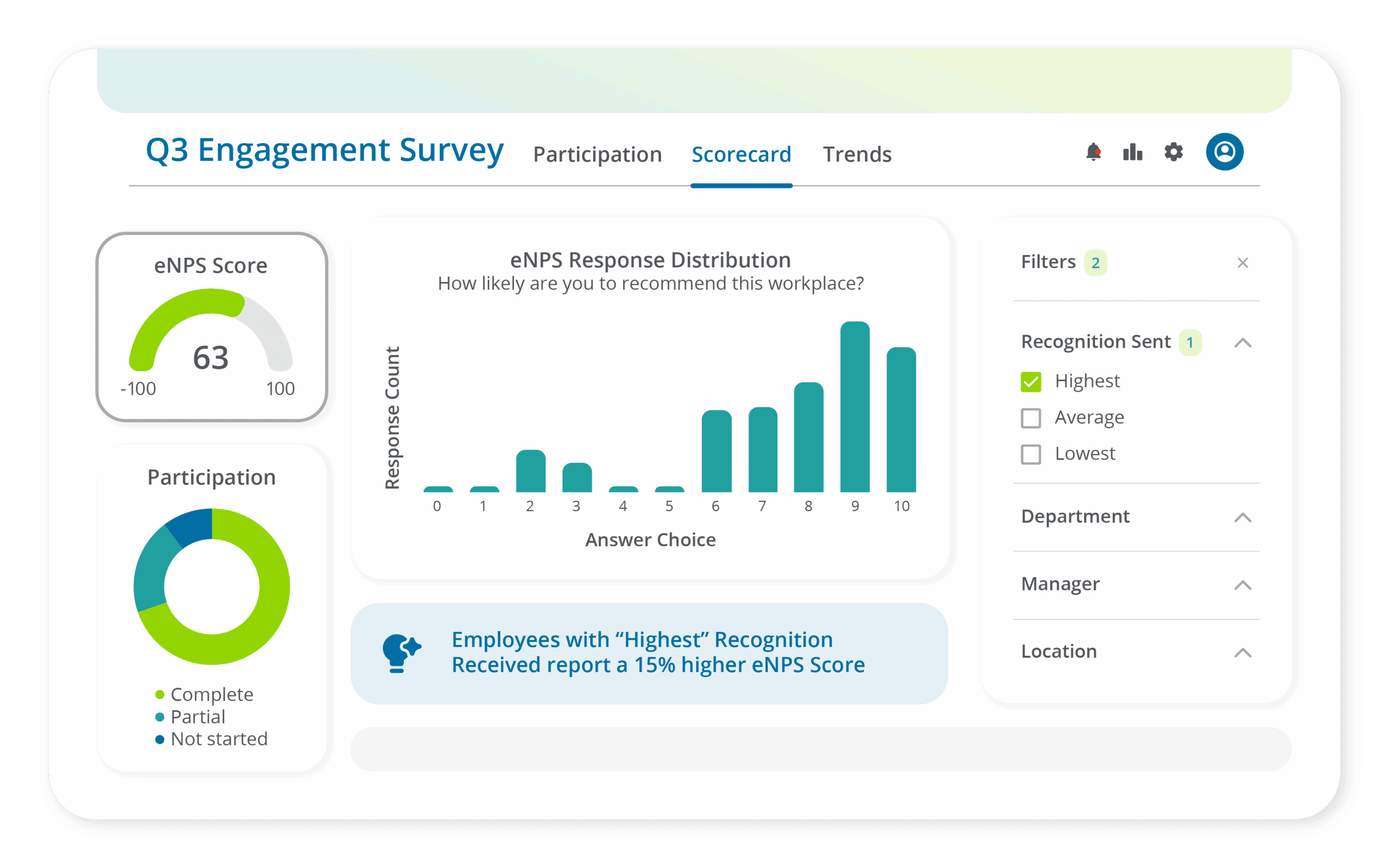
High redemption activity can show that people are aware of and using your rewards program, but it doesn’t tell you how they actually feel. Employees may interact with your platform without feeling more connected, motivated, or valued.
This is where many organizations run into issues. Participation doesn’t equal engagement, and relying only on activity metrics can give you an incomplete or misleading view of your culture.
Use data and analytics to understand real impact
To understand whether your employee rewards program is working, you need to look beyond activity metrics. Combine participation data with your employee recognition program and employee feedback/sentiment insights to see whether your program is improving engagement, strengthening culture, and supporting retention, not just driving activity.
To go deeper on how to structure and scale your program, explore our guide to designing an employee reward system that motivates.
Employee Rewards by Company Size
Your employee rewards program should reflect the size and complexity of your organization. What works for a smaller team may not scale, while larger organizations often need more structure to stay consistent.
Small Businesses
You’ll likely focus on simple, flexible, and budget-conscious rewards. Presenting awards in person or in a more personal setting often plays a big role, especially for company-wide moments like service anniversaries or values-based awards.
Mid-Sized Companies
As you grow, you’ll need more structure while still keeping some flexibility. You may still present major awards in person, while also introducing peer recognition and nomination-based programs that allow broader participation across teams.
Enterprise Organizations
At scale, consistency becomes more important. Many organizations rely on platform-driven or points-based systems to create a consistent experience across multiple locations. Senior leaders typically present high-impact annual awards, such as sales or values-based recognitions.
Common Employee Rewards Mistakes to Avoid
Even well-intentioned employee rewards programs can miss the mark if they’re not designed with your employees and goals in mind. Small missteps can reduce impact, lower participation, or even create frustration. Avoiding these common mistakes will help you build a program that actually strengthens engagement and culture.
Offering One-Size-Fits-All Rewards
If you offer only one type of reward, it’s unlikely to resonate across your workforce. Giving employees some level of choice makes your program feel more relevant and increases the likelihood that rewards are actually valued.
Confusing Rewards With Recognition
Rewards should support recognition, not replace it. Without genuine appreciation, the experience can start to feel transactional instead of meaningful. Make sure every reward is tied to a clear moment of recognition so employees understand why it matters.
Making Rewards Too Difficult to Redeem
If employees run into friction when trying to use their rewards, participation drops, and the value of the program goes with it. Complicated systems or limited redemption options can quickly create frustration. A simple, intuitive experience makes rewards feel immediate and worthwhile.
Focusing Only on Cost
Lower-cost options can still be meaningful, but if something feels cheap or impersonal, it can have the opposite effect. Employees notice the effort behind a reward, not just the price. It’s better to offer fewer, more thoughtful options than a high volume of low-impact ones.
Ignoring Employee Feedback
If you ask for feedback but don’t act on it, trust starts to erode, and employees may stop sharing input altogether. Over time, this can lead to disengagement and survey fatigue. Treat feedback as an ongoing loop by listening, responding, and making visible improvements.
Failing to Tie Rewards to Program Goals
Rewards should reinforce your culture, performance expectations, and engagement strategy. If they’re not connected to a clear purpose, they lose impact and can feel random. Aligning reward criteria to specific goals helps employees understand what’s valued and why it matters.
How to Choose the Right Employee Rewards
Choosing the right employee rewards starts with understanding what matters most to your employees and what your organization is trying to achieve.
As you evaluate your options, think about:
- Your company culture and values
- Your available budget
- Workforce demographics and preferences
- Whether employees are in-person, remote, or hybrid
- How frequently you recognize employees
- How scalable your program needs to be
There’s no one-size-fits-all approach. The goal is to find the right balance between flexibility and structure so you can offer rewards that feel valuable to employees while still being easy to manage and scale.
Build an Employee Rewards Program That Works
Effective employee rewards programs are thoughtful, varied, and aligned with what your employees actually value. When rewards are connected to recognition, company values, and business goals, they help reinforce the behaviors that drive engagement, strengthen culture, and support retention.
To keep your program effective over time, you need to measure what’s working and where to improve. By combining rewards data with employee feedback and clear goals, you can identify gaps, refine your approach, and create a more consistent experience across your organization.
Ready to build an employee rewards program that drives engagement and retention? Explore Terryberry’s Reward Platform to create a more flexible, scalable, and impactful rewards experience.
Employee Rewards FAQs