June 12, 2026


Looking for peer recognition ideas to improve your workplace environment? This article offers 15 practical strategies to recognize your colleagues effectively. Discover how simple actions can make employees feel valued and appreciated.
Key Takeaways
- Implement creative recognition methods like peer shoutouts, digital badges, and recognition walls to foster a positive workplace culture.
- Celebrate employee milestones and achievements regularly to boost morale and engagement, showing that your organization values individuals beyond their work performance.
- Use technology effectively, such as peer recognition platforms and mobile apps, to make recognition immediate and accessible, creating a continuous cycle of appreciation.
What is Peer Recognition?
Peer recognition is the practice of acknowledging and appreciating the contributions and achievements of colleagues within an organization. It empowers employees to recognize and celebrate each other’s efforts and accomplishments without the need for top-down intervention or management oversight.
There are many different types of recognition, including verbal or written praise, public recognition, or rewards. This practice not only highlights individual achievements but also fosters a culture of mutual respect and appreciation, making the workplace more inclusive and supportive.

Benefits of Peer Recognition in the Workplace
Employee recognition has been a highly studied topic over the past decade or so. And research has found some significant findings.
- According to Gallup, employees who receive regular recognition are more engaged at work. In fact, highly engaged teams show 21% greater profitability.
- A study by Bersin & Associates found that organizations with effective recognition programs have 31% lower voluntary employee turnover rates. This can lead to positive impacts like increased productivity and cost savings associated with recruitment and training.
- SHRM reports that 72% of employees feel that recognition given for high performance has a significant impact on improving morale. Recognized employees tend to be happier and more satisfied with their jobs.
- Globoforce research shows that companies with strategic recognition programs are 48% more likely to report high employee innovation. Recognized employees are motivated to perform better and contribute innovative ideas to the organization.
- Research from Forbes shows that 83% of employees say recognition for contributions is more fulfilling than any rewards or gifts. Recognized employees experience higher levels of job satisfaction and fulfillment.
- A study by SHRM found that companies with strong recognition programs have a 14% lower turnover rate than those without. Recognition programs can positively influence performance reviews and employee satisfaction.
- A survey by TinyPulse found that 79% of employees who quit their jobs cite a lack of appreciation as a key reason for leaving. Recognition programs contribute to a positive company culture where employees feel valued and appreciated.
The Core Types of Employee Recognition
To build a well-rounded strategy, organizations need to understand that appreciation isn't one-size-fits-all. The most effective programs combine the different dimensions of recognition:
1. Visibility: Public vs. Private
- Public Recognition: Highlighting an achievement in front of others—think company-wide Slack channels, town halls, or shout-outs in the newsletter.Best for: Major project completions, hitting sales targets, or behaviors that set a great example for the whole team.
- Private Recognition: A quiet, personal thank-you between two people. This could be a handwritten note, a direct email, or praise delivered during a 1-on-1 meeting. Or, choose a social recognition platform with a private recognition feature.Best for: Introverted employees who shrink away from the spotlight or public praise.
2. Value: Monetary vs. Non-Monetary
- Monetary Recognition: Tangible financial rewards that show a company is willing to back its appreciation with resources. Examples include spot bonuses, gift cards, or a points-based system where points can be redeemed for prizes or merchandise.
- Non-Monetary Recognition: Intangible, high-impact praise that focuses on emotional reward rather than financial. Examples include extra paid time off (PTO), flexible hours, a LinkedIn recommendation, or a mentorship opportunity with an executive.
3. Flow: Peer-to-Peer vs. Manager-Led
- Peer-to-Peer Recognition: Ground-level appreciation where colleagues thank each other for daily help. Because peers see the day-to-day grit that managers might miss, this peer praise is incredibly powerful for building a collaborative team culture.
- Manager-to-Employee (Spot) Recognition: Top-down validation. When a direct supervisor acknowledges hard work, it validates the employee’s career progression and standing within the company.
4. Medium: Social vs. Formal
- Social Recognition: Interactive, visible, and "sticky" appreciation. This happens on digital recognition feeds or company communication tools where others can "like," comment, or add emojis to a shout-out. It turns saying thank you into a spectator sport that boosts team morale.
- Formal/Structured Recognition: Traditional, scheduled recognition initiatives. This includes "Employee of the Month" awards, annual banquets, or structured nomination processes.
5. Purpose: Milestone vs. Values-Based
- Milestone & Service Recognition: Celebrating time-bound events, such as work anniversaries (1, 5, or 10 years of service), completing onboarding, or a birthday. It shows employees that their loyalty and presence matter over the long haul.
- Values-Based Recognition: Tying a shout-out directly to a specific company core value (e.g., "Innovation," "Empathy," or "Customer First"). This takes abstract principles off the office wall and demonstrates exactly what those values look like in action.
Leveraging Technology for Peer Recognition
Technology is the secret sauce to building a seamless, successful peer recognition program. By leveraging dedicated platforms, companies can easily streamline everything from the initial shout-out to manager approvals and reward redemption.
Here is how technology elevates the everyday employee experience:
- On-the-Go Appreciations: Mobile apps empower employees to send meaningful recognition messages conveniently—anytime, anywhere.
- Gamified Incentives: Point-based systems allow peers to reward each other with points redeemable for real prizes, promoting a highly engaging and collaborative culture.
Looking to upgrade your workplace culture? Here are some of the top technological solutions for peer recognition:
1. Peer Recognition Platforms
Traditional, top-down appreciation only captures a fraction of the great work happening in an organization. To build a truly inclusive culture, companies are turning to peer recognition platforms to democratize appreciation across all levels of the business.
These digital tools transform workplace culture in three distinct ways:
- Inclusivity and Accessibility: By allowing employees from all departments to publicly or privately express gratitude, social recognition breaks down corporate silos. Everyone has a voice, and no good deed goes unnoticed.
- Streamlined Management and Analytics: Behind the scenes, effective platforms do the heavy lifting for HR. They offer easy budget management, customizable tracking, and deep analytics to measure program participation and culture trends.
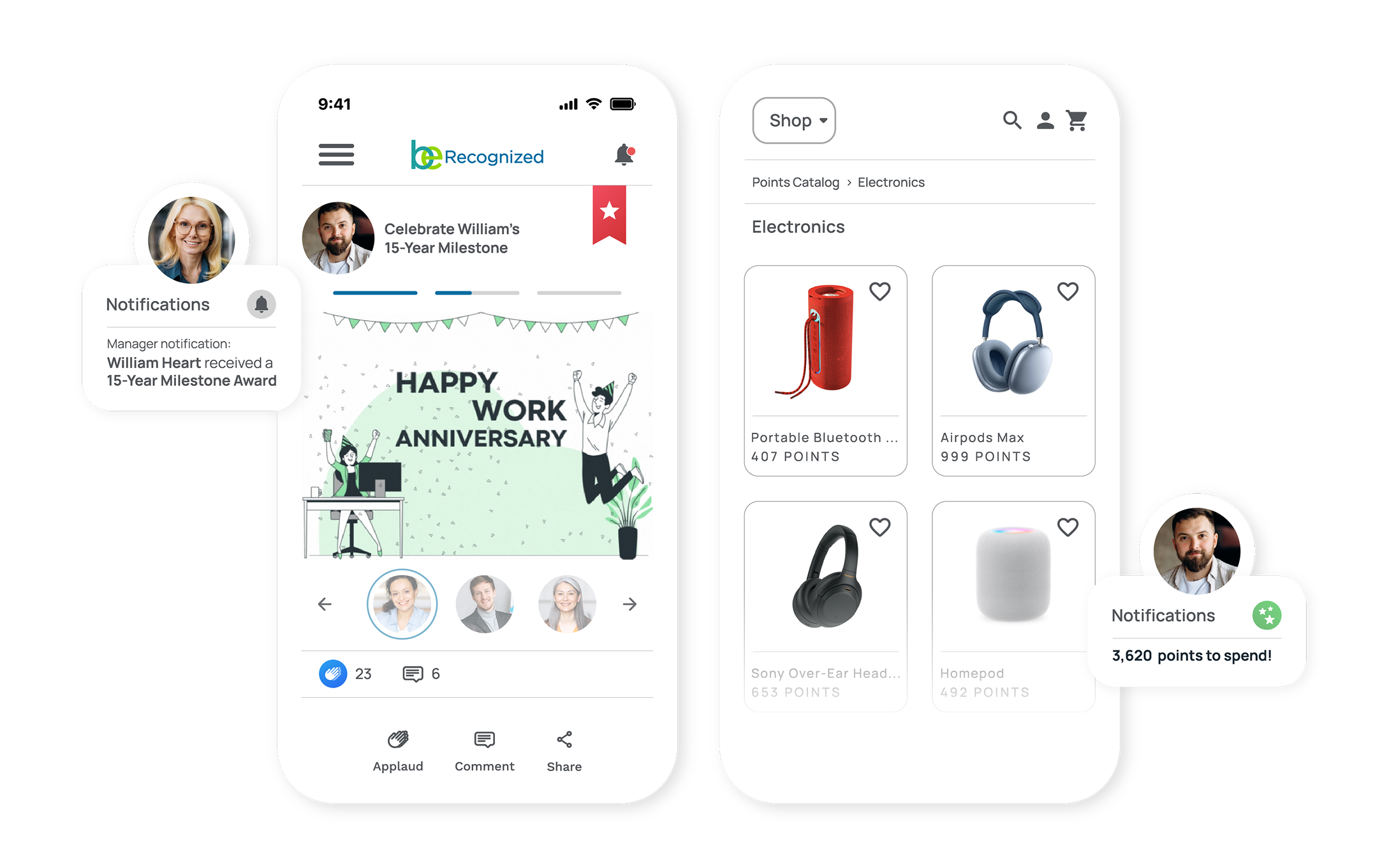
2. Mobile Apps for On-the-Go Recognition
Frontline, remote, and deskless employees are often left out of traditional recognition strategies. Mobile-first platforms ensure that an employee on the road or the factory floor can receive a "thank you" just as easily as someone sitting at a desk, regardless of roles.
Mobile recognition apps allow employees to send acknowledgment messages instantly, enhancing the recognition process by making it immediate and accessible. The convenience of mobile apps ensures employees can share recognition experiences anytime, anywhere.
3. Gamified Recognition Systems
A point-based system in recognition programs motivates employees to collaborate and work towards shared goals. Gamified systems can include achievement levels and challenges to enhance the recognition experience.
Integrating gamification into recognition programs cultivates a more engaging and fun workplace culture.
Creative Ideas to Recognize Peers
Implementing innovative peer recognition ideas is a powerful way to nurture a positive workplace culture rooted in teamwork, collaboration, and belonging. By moving beyond traditional "top-down" praise and using creative methods like digital badges, interactive recognition walls, and social media shout-outs, companies can make peer programs feel much more memorable and authentic.
When peer appreciation becomes a daily habit, it sparks joy, reinforces positive behaviors, and boosts intrinsic motivation. Ultimately, creating a space where team members feel genuinely valued builds an organic cycle of gratitude—inspiring employees to lift each other up and actively participate in the culture.
Here are some creative ways to recognize peers:
4. Peer Shoutouts on Social Media
Acknowledging peers on social media is a great way to boost engagement. Employees can share thoughtful posts on platforms like LinkedIn and tag colleagues. This form of social media recognition not only highlights the achievements of peers but also promotes a culture of appreciation internally as well as externally.
5. Digital Badges and Certificates
Digital badges and certificates motivate individuals and reinforce appreciation. Visual methods like certificates, trophies, and pins make recognition tangible and memorable.
Digital badges and certificates are flexible and suitable for recognizing both in-person and remote employees.
6. Recognition Walls
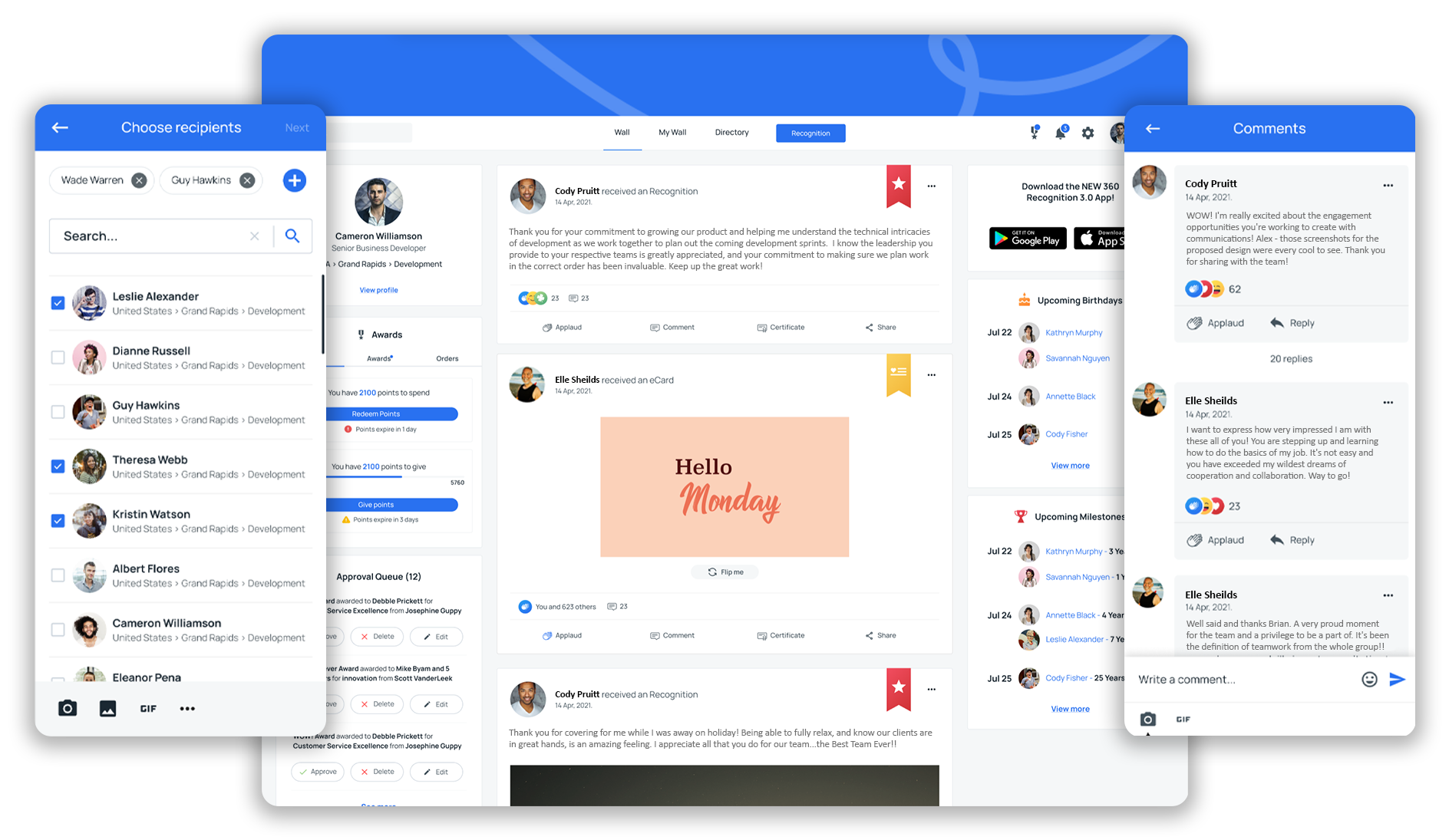
A recognition wall is a dynamic, shared space where employee shout-outs, milestones, and achievements are displayed for the whole company to see. Think of it as a curated, positivity-only social media feed built exclusively for your organization.
While peer recognition can sometimes happen quietly in 1-on-1 messages, a recognition wall amplifies that praise, giving it a lasting shelf life and maximizing its impact on company culture.
Celebrating Milestones and Achievements
Celebrating milestones in the workplace personalizes the experience and helps employees feel valued, furthering a culture of festivity and appreciation. Acknowledging accomplishments enhances employee morale, engagement, and retention rates.
Here are specific ways to celebrate milestones:
7. Work Anniversaries
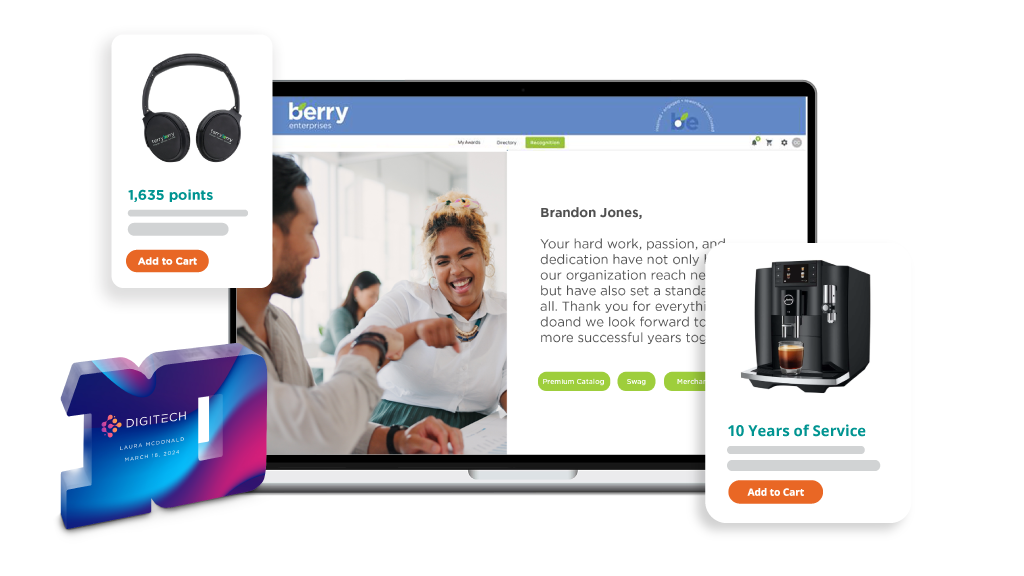
Celebrating work anniversaries acknowledges long-term commitment and helps create a sense of belonging. With social recognition software, employees can receive a virtual collection of messages from colleagues and bosses on their work anniversary, making the celebration more personal.
Recognition software like Terryberry's can also streamline the process by notifying admins of employee anniversaries and connecting recipients to an employee rewards platform.
8. Project Completion Parties
An often overlooked opportunity for recognition is project completions. Celebrating project completions reinforces teamwork and collective achievement, boosting team spirit and creating a collaborative work environment.
Send a message on your recognition software acknowledging the team that worked on the project, or give a shoutout in a company-wide meeting. Or, even better, do both!
9. Personal Milestones
Recognizing personal milestones such as birthdays, engagements, or personal achievements shows that you value your employees beyond their productivity, which enhances workplace culture and promotes employee engagement.
Organizing events to celebrate personal milestones, like small gatherings, personalized notes, or small gifts, helps ensure employees feel appreciated and valued.
Inclusive Employee Recognition Ideas
Whether real or perceived, a common pitfall with employee recognition is favoritism. Some employees will naturally succeed more often than others. Finding a balance between recognizing these employees while not breeding resentment in others can be a challenge.
Keeping this in mind, inclusive recognition is critical. Here are some inclusive recognition practices to benefit your workplace:
10. Cross-Departmental Recognition
Recognizing another team member who has supported your department promotes collaboration among team members and prevents silos. Consider celebrating with virtual coffee breaks or happy hours to build connections regardless of location.
Departments can nominate each other for recognition weekly, setting an example of cross-departmental appreciation.
11. Tailored Recognition Methods
Aligning recognition approaches with individual preferences ensures employees feel valued, resulting in higher motivation. Introverted employees might prefer private recognition, while extroverts might enjoy public acknowledgment.
Understanding each employee’s preferences helps create a more inclusive recognition program, ensuring all employees feel appreciated and motivated. Additionally, aligning recognition methods with company values fosters a sense of belonging and loyalty among employees.
12. Cultural Sensitivity in Recognition
True inclusion means ensuring that your appreciation program respects diverse backgrounds and honors the unique perspective every employee brings to the table. Culturally sensitive recognition recognizes that a great "thank you" should resonate with the recipient's personal values and background.
A brilliant way to put this into practice is through culturally inclusive charitable giving. Instead of traditional corporate swag, employers can allow team members to redeem recognition rewards as donations to charitable causes that align with their culture, local community initiatives, or global heritage groups.
Encouraging Leadership Participation
All Leaders influence culture and can model recognition behavior - not only hr leaders. Encouraging those in positions of power to embrace peer-to-peer recognition can significantly enhance the overall workplace environment.
Here’s how leadership participation can boost the effectiveness of peer recognition programs:
13. Training Leaders in Effective Recognition
Incorporating recognition training into leadership development integrates appreciation as a core value. Training leaders in effective recognition practices ensures they understand the importance of acknowledging contributions and can model this behavior.
14. Leading by Example
Leaders should model desired behavior and recognize team success, including personalization and acknowledgment of specific contributions in their messages.
Active participation in peer recognition by senior leadership sets a positive example for the whole team.
15. Regular Recognition from Management
Management should frequently recognize team contributions to establish a standard of appreciation. Surprising employees with recognition boosts trust and loyalty. Only a small percentage of companies provide frequent recognition, but those that do, like General Motors, see significant benefits in employee engagement and loyalty.
Each employee at General Motors receives at least one recognition per month on average, contributing to a high activation rate for the recognition platform.

Establishing an Effective Employee Recognition Program
Before implementing a peer recognition program, it’s essential to define the program’s objectives and goals. What do you want to achieve with your recognition program? Is it to boost employee morale, increase employee engagement, or improve company culture?
Define Your Program’s Objectives and Goals
By setting clear objectives and goals, you can create a program that is tailored to your organization’s specific needs and values. Some possible objectives and goals for a peer recognition program include:
- Boosting employee morale and motivation
- Increasing employee engagement and participation
- Increasing eNPS scores
- Improving company culture and values
- Recognizing and rewarding outstanding performance and achievements
- Encouraging teamwork and collaboration
- Providing positive feedback and reinforcement
By defining your program’s objectives and goals, you can create a clear roadmap for implementation and evaluation. This will help you to ensure that your program is effective, efficient, and aligned with your organization’s overall mission and values.
Some possible ways to define your program’s objectives and goals include:
- Conducting employee surveys and focus groups to gather feedback and insights
- Reviewing company data and metrics to identify areas for improvement
- Consulting with HR and management to align the program with company goals and values
- Researching best practices and industry benchmarks for peer recognition programs
By taking the time to define your program’s objectives and goals, you can create a peer recognition program that is tailored to your organization’s unique needs and values. This will help you to achieve your desired outcomes and create a positive and productive work environment.
3 Ways to Measure the Impact of Peer Recognition on Employee Engagement
Measuring the impact of peer recognition programs is crucial for understanding their effectiveness and making necessary adjustments. Successful peer-to-peer recognition programs should focus on clarity, consistency, and inclusivity in the peer recognition model.
Consistent monitoring and tracking progress are important for maintaining an effective peer recognition program.
1. Employee Feedback Surveys
Employee engagement surveys are a direct method to collect insights about the effectiveness of recognition programs. Surveys can effectively assess the impact of recognition programs on employee morale. By gathering feedback from employees, organizations can identify areas for improvement and ensure that recognition practices are meeting their needs.
Regularly conducting employee feedback surveys helps maintain a pulse on how recognition programs are perceived and their impact on overall employee engagement and satisfaction. This data is invaluable for making informed decisions about program adjustments.
2. Peer Recognition Programs Metrics
Participation metrics in recognition programs are crucial for analyzing program engagement levels. Tracking recognition frequency can help organizations understand its impact on employee satisfaction. Consistent recognition frequencies can lead to better overall employee engagement.
Feedback from recognition metrics should guide program adjustments to maintain their effectiveness.
3. Adjusting Programs Based on Data
Collecting feedback from employees through surveys can provide valuable insights into the effectiveness of peer recognition programs and highlight areas for improvement. Tracking key metrics such as participation rates, frequency of recognition, and overall employee satisfaction is essential for evaluating the effectiveness of employee recognition programs.
Data gathered from employee feedback and metrics should be used to make informed adjustments to recognition strategies, ensuring they meet the evolving needs of employees. Continuously refining recognition programs based on data insights helps maintain their relevance and effectiveness in enhancing work culture.

Next Steps
Building a thriving company culture isn’t about checking a single box. As we’ve explored, modern organizations need a multi-dimensional approach to appreciation—one that embraces peer-to-peer gratitude, leverages interactive recognition walls, adapts to a hybrid workforce, and honors the diverse cultural backgrounds of every team member.
Trying to manage these moving pieces across fragmented apps, spreadsheets, and disconnected tools often leaves HR teams overwhelmed, and employees disengaged.
That is where Terryberry changes the game.
Rather than forcing your organization to juggle multiple vendors, Terryberry’s comprehensive ecosystem serves as a unified home for all your employee engagement needs:
- Social & Peer Recognition: Give your team a vibrant, values-based space to celebrate wins in real time with interactive recognition walls and direct peer-to-peer shouting tools.
- Feedback & Surveys: Keep your finger on the pulse of employee sentiment with Be Heard pulse surveys, giving you the data needed to prevent burnout and drive retention.
- Employee Wellness: Foster a holistic culture of care with Be Well wellness challenges, keeping your remote, deskless, and onsite teams physically and mentally energized.
- Unrivaled Global Rewards: Back your appreciation with a massive global reward catalog that supports everything from custom company merchandise to culturally meaningful charitable donations across 180+ countries.
Culture isn’t built overnight, but it is built through consistent, meaningful moments of connection. By bringing your recognition, wellness, feedback, and rewards under one seamless roof, Terryberry gives you the tools to build a workplace where employees don't just show up—they truly belong.
Ready to elevate your employee experience?
Schedule a demo with Terryberry today to see how easy it is to build a culture of recognition.
Frequently Asked Questions