May 22, 2026


Imagine walking into an office where smiles are abundant, motivation is high, and employees are genuinely happy to be there. What’s the secret sauce that makes this workplace tick? Employee recognition.
In today’s competitive business landscape, recognizing the contributions of your team isn’t just a nice-to-have; it’s a game-changer. It propels productivity, fuels engagement, and boosts morale.
So, what exactly is employee recognition, and why is it so crucial in the workplace? Let’s find out.
Key Takeaways:
- Effective recognition programs emphasize frequent, timely praise for everyday actions and smaller achievements.
-
A robust program balances multiple forms of appreciation: Formal vs. informal, top-down vs. peer-to-peer, and social vs. private.
-
Well-executed programs can drive higher retention, increased productivity, and stronger alignment to company values.
What Is Employee Recognition?
Employee recognition is the practice of acknowledging the hard work and accomplishments of your team. It wears many hats—ranging from a simple, spoken "thank you" to formal milestones like service awards. Because appreciation isn't one-size-fits-all, it can be written, social, tangible, or symbolic. Think manager thank-you notes, peer shoutouts, or achievement awards.
At its core, recognition shines a spotlight on behaviors that move the organization forward. This validation fosters a deep sense of belonging, helping employees see how integral they are to the company’s success. It’s about valuing the dedication and effort behind the work, not just the final checkbox.
Ultimately, employee recognition efforts can be tailored to fit the culture and needs of any organization. Whether you implement a structured awards program or a more informal peer-to-peer system, the goal remains the same: ensure your people feel seen, valued, and motivated to thrive.

Why Is Employee Recognition Important?
In an era where talent is one of the most valuable commodities, recognizing and appreciating your employees has become essential. But why is it so important?
Boost Employee Engagement & Retention
When employees feel recognized, they don't just show up—they show up motivated. And acknowledging their hard work creates a ripple effect, boosting morale and driving the kind of engagement that transforms company culture. Simply put: when people know they're valued, they stay. They become invested in the mission, reducing turnover and giving the organization a foundation of stability.
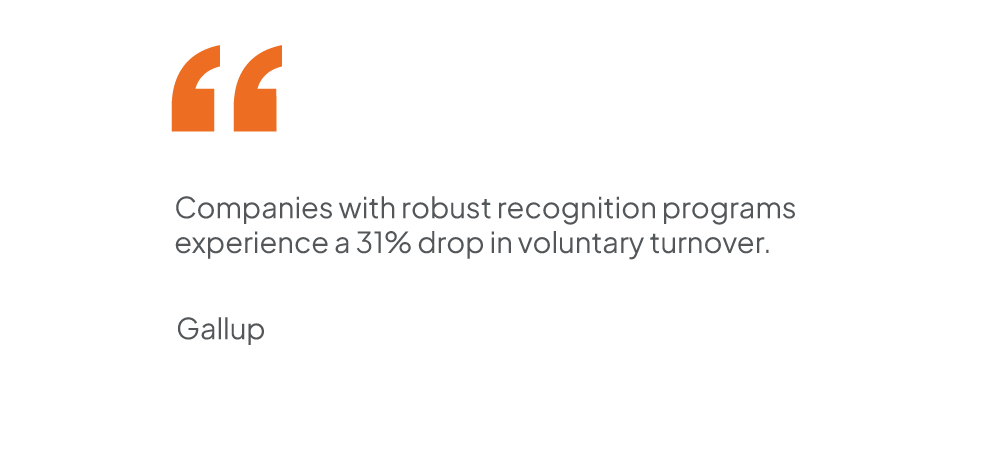
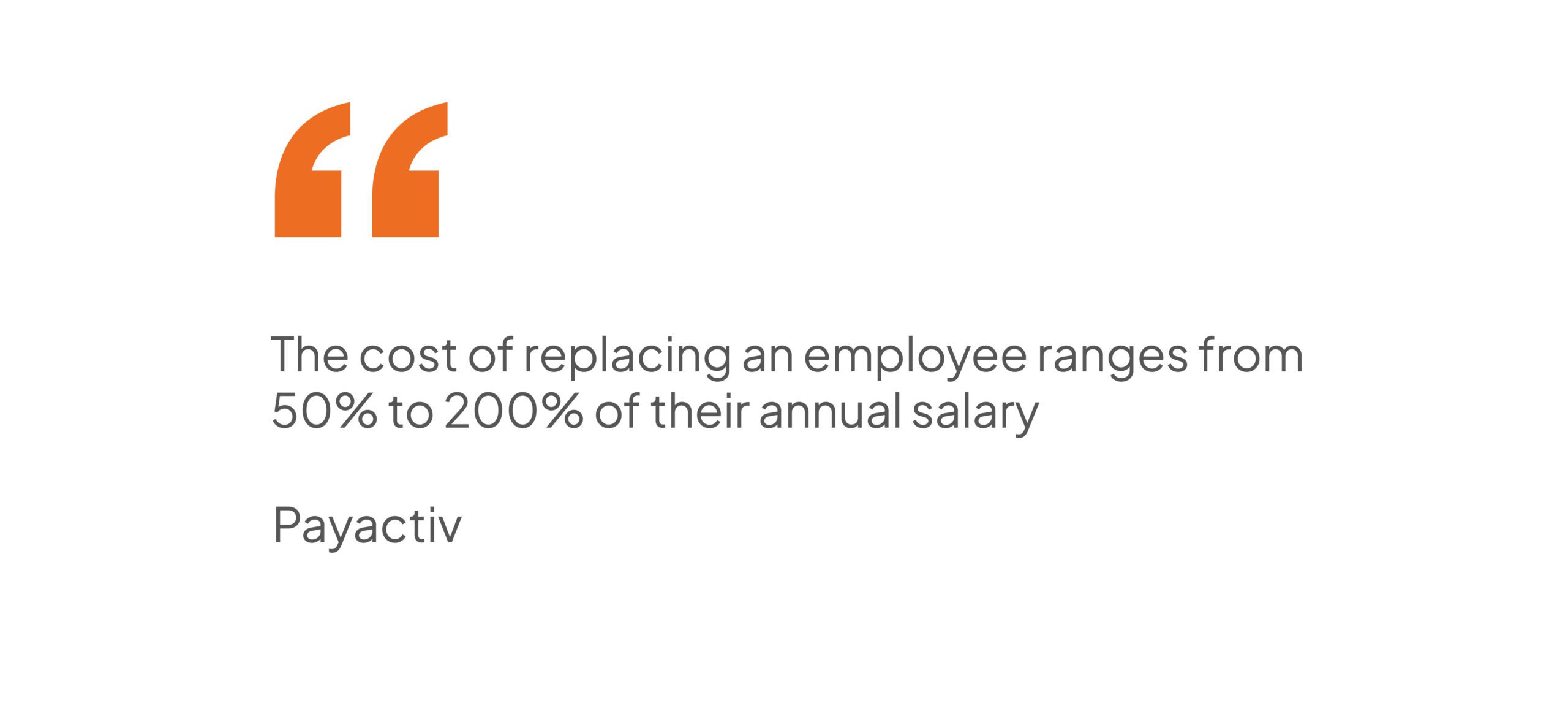
This isn't just about good vibes; it's about the bottom line. Data shows that companies with robust recognition programs experience a 31% drop in voluntary turnover. With the cost of replacing an employee ranging from 50% to 200% of their annual salary, investing in appreciation is one of the most cost-effective strategies a business can deploy.
Increase Productivity & Performance
Employee appreciation is directly tied to performance elasticity. When organizations implement robust recognition initiatives, productivity metrics show a consistent upward trend. Acknowledgment establishes a psychological contract; employees naturally work to maintain high standards when they know their efforts are visible.
For example, when an individual understands exactly how their contribution secures a project's success, they are significantly more likely to invest discretionary effort. This proactive mindset optimizes workflows and serves as a primary driver of organizational growth.
When employees feel appreciated, they often exceed performance expectations. Recognition acts as a catalyst, propelling productivity levels to new heights. Performance metrics consistently show positive trends in companies with robust recognition programs, as employees strive to maintain high standards when they know they are being acknowledged.
For instance, if an employee knows their contributions are crucial to a project's success, they are more likely to go above and beyond. This not only improves the flow of work but also contributes to the organization's overall success.
Create a Positive Culture
Beyond metrics, a culture of recognition fosters the trust and collaboration necessary for long-term organizational health. When appreciation becomes a core company value, it cultivates an environment of collective pride, directly driving employee satisfaction and retention.
Creating a sustainable workplace culture requires moving past superficial perks and team outings. Instead, organizations must focus on building an ecosystem where individual contributions are authentically valued. When employees feel that sense of integral belonging, the entire organization thrives.
Drive Business Results
Strategic recognition does more than boost morale—it directly accelerates business growth. When an organization embeds appreciation into its DNA, it creates an environment where employees actively volunteer ideas, take calculated initiatives, and solve problems creatively.
This alignment of individual effort and business objectives yields massive bottom-line benefits. In fact, research shows that companies prioritizing robust recognition and engagement experience a 22% increase in profitability alongside a 10% lift in customer loyalty metrics.
Reinforce Behavior
Recognition encourages employees to repeat positive behaviors. Specific praise reinforces actions that align with company goals and helps employees understand what's valued within the organization. When certain behaviors receive recognition, they become part of the organizational norm, fostering a consistent and positive work environment.
Timely recognition and feedback are crucial in reinforcing desired behaviors. When employees know what is expected and appreciated, they are more likely to continue performing at a high level.
Types of Employee Recognition
Employee recognition comes in various forms, and understanding these types can help you create a more effective program.
Peer-to-Peer Recognition
Peer recognition builds camaraderie and strengthens team bonds. Employees value recognition from colleagues who understand their work and challenges. Peer-to-peer programs encourage a supportive workplace environment, driving collaboration and team success.
When peers recognize each other, it creates a sense of community and shared goals. This type of recognition can often feel more genuine, as it comes from those who truly understand the work being done.
Manager-to-Employee Recognition
Managerial recognition carries unique weight in employee satisfaction. Because teams naturally look to their leaders for validation, a manager’s timely praise does more than boost day-to-day motivation—it solidifies a positive leadership image.
When leaders consistently acknowledge individual contributions, they bridge the gap between performance metrics and human effort. This deliberate appreciation signals that hard work is actively seen, turning standard feedback into a powerful tool for building trust and reinforcing high standards.
Public Recognition
Public recognition highlights achievements in front of the entire team, making employees feel proud when acknowledged by peers and leaders. This type of recognition serves as a model for desired behaviors within the company and boosts team morale when done in meetings or newsletters.
Public acknowledgment can be a powerful motivator, as it not only recognizes the individual but also sets a standard for others to aspire to.
Social Recognition
Social recognition is the practice of acknowledging and celebrating employees' contributions, achievements, and behaviors in a public or shared setting, whether through a company-wide platform, team channel, or in-person gathering.
Social recognition empowers everyone in an organization—leadership, managers, and peers—to give and receive meaningful shout-outs, fostering a culture where appreciation flows in all directions. While public recognition emphasizes visibility, social recognition goes a step further by emphasizing interaction and community.
Private Recognition
Private recognition allows for personalized and meaningful acknowledgment. Employees appreciate one-on-one recognition from their supervisors, which can address specific achievements or milestones. For those who prefer less public acknowledgment, discreet recognition can be particularly valued.
This type of recognition provides an opportunity for more detailed and specific feedback, enhancing its impact and sincerity.
Formal Recognition
Formal recognition includes official awards or ceremonies for accomplishments. Structured programs ensure consistent and fair acknowledgment across the organization. Employees value formal recognition for significant milestones and achievements, often aligning with organizational goals and values.
Formal recognition can provide a sense of prestige and accomplishment, motivating employees to reach for higher achievements.
Informal Recognition
Informal recognition includes spontaneous expressions of appreciation, creating a relaxed and approachable recognition culture. Casual methods, such as verbal praise or thank-you notes, make employees feel valued through everyday acknowledgment of their efforts.
Informal recognition can be just as impactful as formal programs, especially when it's genuine and heartfelt.
Milestone/Service Recognition
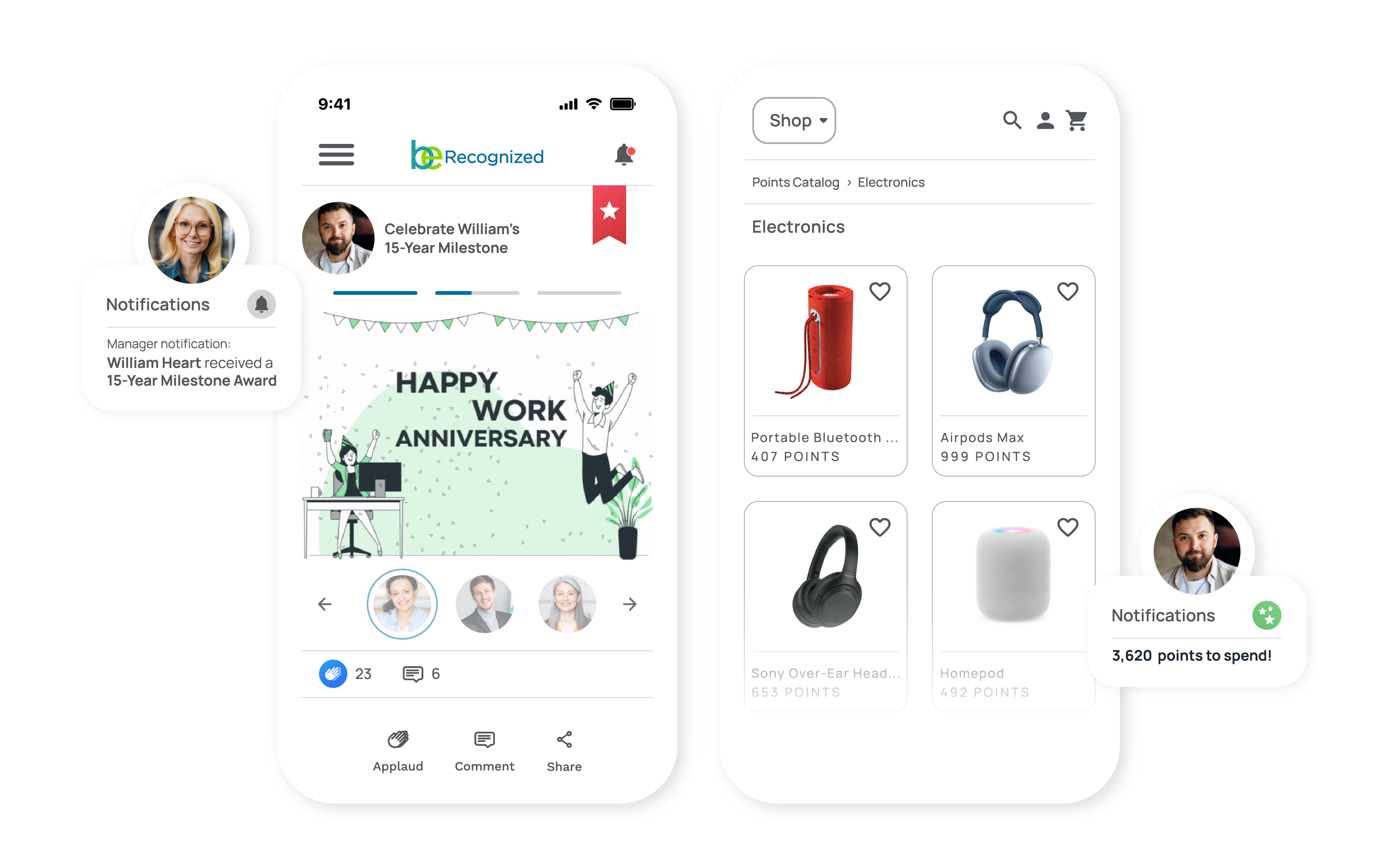
Milestone recognition honors work anniversaries and career achievements, celebrating the shared journey an employee builds with an organization over time. By elevating these moments, service awards transform standard tenures into meaningful chapters of loyalty and dedication.
Marking these career chapters does more than just boost short-term retention; it serves as a powerful reminder of an individual's lasting impact. It proves that a team member’s long-term commitment hasn't just been logged—it's been truly valued.

Rewards-Based Recognition
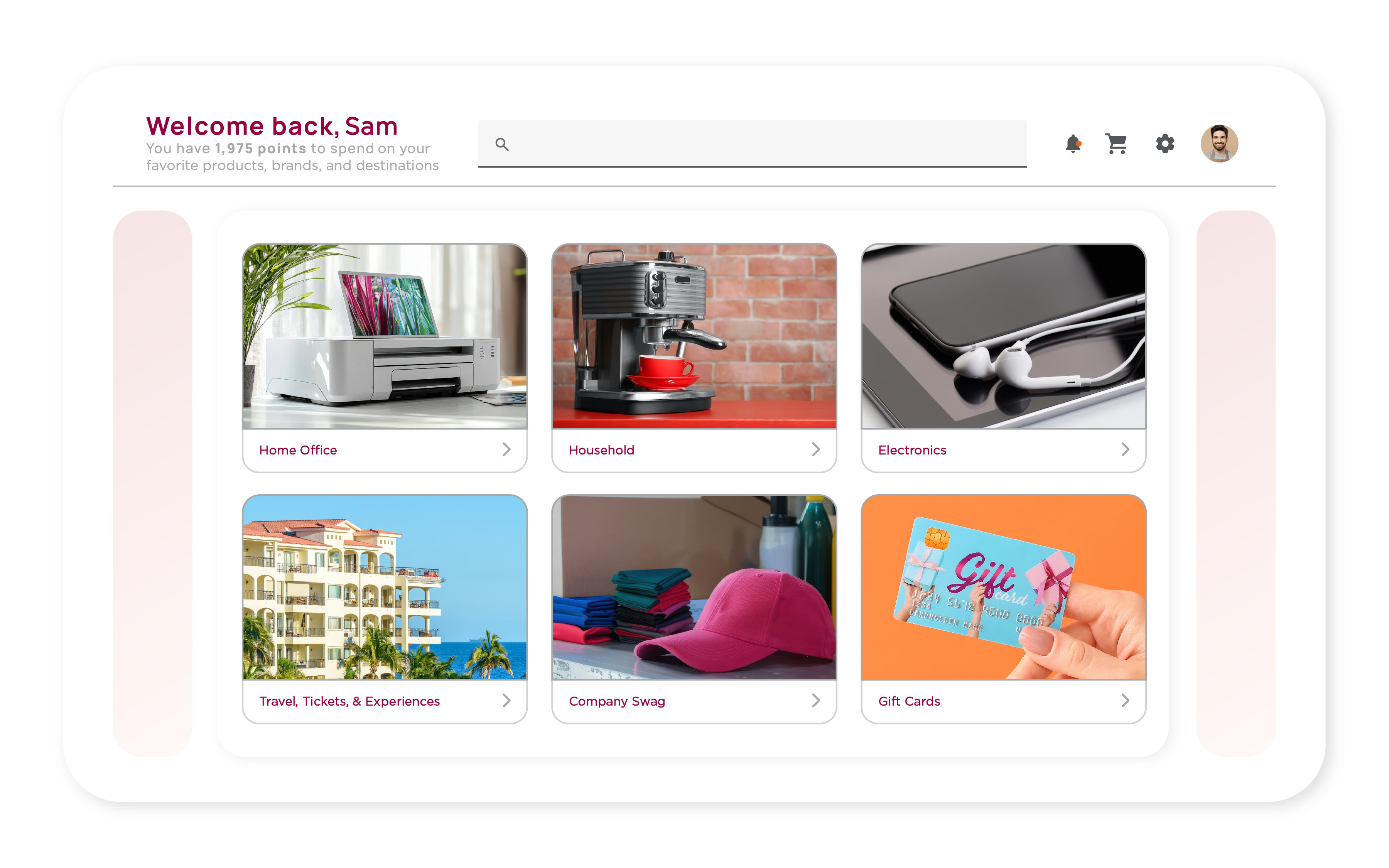
Rewards-based recognition links tangible incentives directly to employee achievements. While verbal praise is highly valuable, adding physical rewards—ranging from gift cards to merchandise—amplifies that impact, deeply motivating teams to maintain high performance.
Bringing this strategy to life requires a system that's seamless for both managers and staff. Terryberry's rewards program streamlines this process by offering an all-in-one hub where companies can easily manage points-based recognition systems, milestone awards, and custom company stores.
By combining meaningful praise with a robust, user-friendly rewards catalog, Terryberry helps organizations transform standard achievements into unforgettable employee experiences.
How to Measure the Impact of Employee Recognition
Measuring the impact of your recognition programs is crucial to understanding their effectiveness and areas for improvement.
Turnover Rates
Turnover rates decrease when effective recognition programs are in place. Monitoring turnover provides insight into the success of recognition efforts. Low turnover rates indicate a satisfied and loyal workforce, reflecting the impact of recognition on job satisfaction.
Analyzing turnover metrics can help identify trends and areas where recognition efforts may need adjustment.
Employee Engagement Scores
If you want to move your employee engagement scores, you have to start with your appreciation habits. Studies consistently show that recognition is the fastest way to turn passive satisfaction into active enthusiasm.
When employees feel systematically valued, they become nearly four times more likely to feel connected to their company's culture. Forward-thinking companies don't just guess at this impact; they track engagement analytics in real time to adapt their recognition strategies, proving that data-backed appreciation is the ultimate cultural anchor.

Program Participation
Participation rates indicate employee interest in recognition programs. High participation suggests a positive reception of recognition initiatives, while tracking participation helps identify areas for improvement. Engagement in recognition activities reflects their perceived value.
While it's important to track participation, it's also important not to rely on participation numbers alone. Participation metrics can highlight which programs resonate with employees and which may need retooling, but they don't reveal employee engagement alone.
Integrating an employee listening strategy like Terryberry's Be Heard gives leaders deep insight into the drivers of true employee engagement at their company.
Managerial Involvement
Managerial involvement is crucial for effective recognition program execution. Managers play a key role in delivering meaningful recognition to employees, enhancing their credibility. Companies assess managerial involvement to ensure program success.
Managers who actively participate in recognition efforts set the tone for the rest of the organization, reinforcing the importance of appreciation.
Behavioral Impact
Behavioral changes reflect the effectiveness of recognition programs. Recognition encourages employees to adopt desired behaviors consistently, and monitoring behavioral impact helps refine recognition criteria and practices. Positive behavior changes indicate a successful recognition culture.
Tracking behavioral changes can show how recognition is influencing day-to-day operations and employee performance.
Best Practices for Meaningful Employee Recognition
Creating a meaningful recognition program requires thoughtful planning and execution.
Be Specific and Authentic
Specific recognition isolates concrete examples of impact rather than relying on generic, blanket praise. Teams don't just want to be told they did a "good job," they value precise, detailed feedback that reflects a genuine understanding of their unique contributions.
When appreciation is tailored directly to an individual's distinct actions, its impact multiplies. Grounding your praise in real examples transforms recognition from a routine corporate checklist into a sincere, highly effective motivator that truly resonates.
Recognize Early and Often
Timely recognition maximizes its impact on employee motivation. Frequent acknowledgment reinforces positive behaviors and achievements, and employees appreciate consistent recognition for ongoing efforts. Regular recognition cultivates a culture of appreciation within the workplace.
Recognizing achievements early and often helps build a strong and positive company culture.
Create “Wow” Moments
"Wow" moments surprise teams with unexpected appreciation, creating vivid workplace memories that leave a lasting impression. While structured awards are essential, spontaneous, creative gestures generate an entirely different level of energy and workplace excitement.
Employees cherish personalized moments that break the mold of typical corporate routines. By deliberately weaving these elements of surprise into your culture, you elevate standard appreciation into an art form—making your people feel profoundly valued, seen, and celebrated.
Utilize Social Recognition Tools
Social recognition tools facilitate peer-to-peer acknowledgment, enabling real-time recognition across the organization. Employees engage with recognition programs through social recognition feeds and apps, expanding the reach and visibility of recognition efforts company-wide
Social recognition tools can make acknowledgment more accessible and engaging for employees.
Customize Awards
Customized awards trade cookie-cutter trophies for incentives that actually reflect an individual's unique preferences and real-world achievements. When rewards align directly with a person's outside interests and professional goals, the meaning behind the gesture skyrockets.
Moving away from one-size-fits-all gifting significantly elevates the perceived value of your entire recognition program. By tailoring the reward to the person, you transform a standard corporate handout into a deeply personal, impactful moment of validation.
Establish a Structured Program
Structured programs ensure consistency and fairness in recognition, with clear guidelines helping managers and employees understand recognition criteria. Well-defined programs align with organizational values and objectives, and employees trust recognition systems that maintain transparency and equity.
A structured program can provide clarity and consistency in your recognition efforts.
Build a Better Employee Recognition Program with Terryberry
Terryberry offers comprehensive solutions for all your employee recognition needs. Companies partner with Terryberry for customized recognition strategies that fit their unique culture and objectives.
With tools and resources designed to enhance recognition initiatives, Terryberry helps businesses achieve better results through expert guidance and support.
Whether you’re looking to revamp an existing program or start from scratch, Terryberry can help you create an effective recognition strategy that aligns with your company's goals.
Frequently Asked Questions