August 7, 2026


World Mental Health Day, celebrated on October 10th, has become a significant date for raising awareness about mental health issues worldwide. As the day approaches in 2026, HR leaders have a unique opportunity to focus on mental well-being in the workplace.
This crucial day invites organizations to reflect on their mental health policies and encourages them to build a supportive environment for their employees. But what exactly should HR leaders know about World Mental Health Day, and how can they leverage this occasion to make meaningful changes in their workplaces?
Key Takeaways
-
Prioritizing mental health in the workplace isn't just a nice-to-have gesture—it is essential for reducing burnout, boosting retention, and maintaining overall employee engagement.
-
Strategic recognition and appreciation significantly lower workplace stress.
-
When employees feel valued and supported by leadership and peers, psychological safety and morale increase.
-
While October 10 serves as a powerful catalyst, meaningful mental health support requires ongoing initiatives.
Explore the Blog
When is World Mental Health Day 2026?
World Mental Health Day always falls on October 10th. This year, October 10th is a Saturday, meaning many organizations may choose to celebrate World Mental Health Day 2026 on Friday, October 9th.
History of World Mental Health Day
World Mental Health Day was established by the World Federation for Mental Health in 1992. Since its inception, this day has served as a global platform to raise awareness and mobilize efforts in support of mental health. The primary goal is to create an environment where mental health is prioritized and openly discussed.
Over the years, mental health advocates have united globally on October 10th to champion this cause. Their efforts have resulted in a growing recognition of mental health as a global priority.
Stakeholders from over 150 countries now participate in World Mental Health Day, underscoring its significance in the international arena. This day has evolved into a vital opportunity for individuals and organizations to emphasize the importance of mental health in all aspects of life.
The World Health Organization (WHO) has played a crucial role in supporting World Mental Health Day. By promoting diverse themes each year, the WHO aims to increase awareness and improve access to mental health services.
As a result, the day has become a powerful tool for advocating for better mental health care and breaking down barriers to services worldwide. This focus has driven initiatives to improve mental health care globally, encouraging collaboration between governments, organizations, and communities.
Organizations should take the opportunity this year to educate their employees about mental health issues, stigma, and suicide prevention.
Key Statistics Every HR Leader Should Know About Mental Health
Understanding the statistics surrounding mental health can help HR leaders make informed decisions and prioritize mental well-being in the workplace.
- Approximately one in five adults experience mental health issues each year
- The World Health Organization reports that depression is a leading cause of disability worldwide.
- Anxiety disorders affect nearly 40 million adults in the United States alone.
- Mental health issues cost the global economy an estimated $1 trillion annually in lost productivity.
Early intervention in mental health can dramatically improve outcomes for employees. By providing access to services and resources, HR leaders can help employees address mental health issues before they escalate, leading to healthier, more engaged teams.
Effective Mental Health Initiatives for the Workplace
Implementing effective mental health initiatives can significantly improve employee well-being and create a supportive workplace culture.
Day-Of Ideas:
- Self-Care & Mindfulness Workshops: Host a guided meditation session, a chair yoga class, or a workshop led by a mental health professional focusing on burnout prevention and stress management.
- Mental Health "Coffee Chats" & Panels: Organize informal peer support gatherings or a panel featuring executive sponsors and HR to share personal stories, discuss destigmatization, and highlight available resources.
- "No-Meeting" Focus Day: Declare World Mental Health Day a meeting-free zone to give employees uninterrupted time to focus on deep work or catch up, directly reducing workload stress.
- Interactive Care Packages: Distribute wellness kits containing items like stress relief tools, chamomile tea, journals, and info cards detailing company EAP benefits.
- Gratitude & Connection Boards: Set up physical or digital (e.g., Slack/Miro) gratitude walls where team members can post appreciation notes for colleagues.
Creating a Supportive Work Environment for Mental Health Year Round
A supportive work environment is essential for promoting lasting mental health and well-being. To make real impact, avoid framing Mental Health Day as a single, isolated event. Use the occasion to highlight ongoing support options—such as free counseling visits through your EAP, mental health stipends, or flexible time-off policies—so employees know help is available year-round.
Core Ongoing Mental Health Initiatives:
- Flexible Working Models: Hybrid schedules, core working hours, and compressed workweeks reduce burnout by giving employees control over their work-life balance.
- Accessible Care (EAPs & Benefits): Comprehensive Employee Assistance Programs (EAPs) providing free, confidential counseling sessions, paired with mental health coverage in standard health plans.
- Manager & Leadership Training: Equipping managers to spot signs of stress, conduct empathetic one-on-ones, and model healthy boundaries (e.g., avoiding late-night emails).
- Dedicated Wellness Days & Time-Off: Implementing company-wide mental health days, mandatory minimum PTO, and meeting-free focus blocks during the week.
- Peer Support & ERGs: Establishing Employee Resource Groups (ERGs) focused on mental health to destigmatize workplace conversations and create psychological safety.
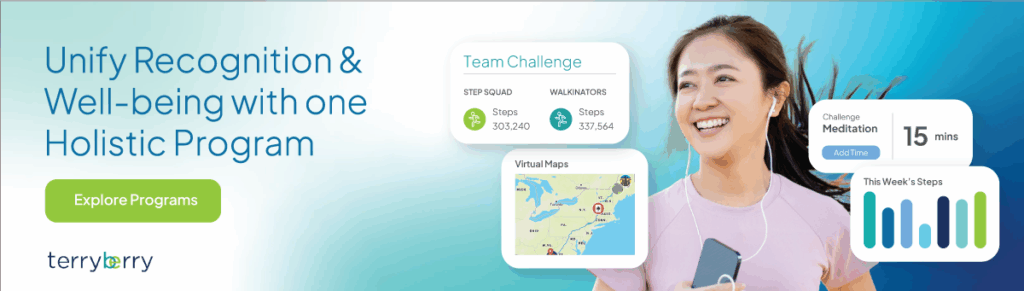
- Utilize Corporate Wellness: Wellness programs that include mental health components can enhance all aspects of employee well-being. By integrating mental health into broader wellness initiatives, organizations can promote a holistic approach to health and create a more supportive workplace environment.
Resources HR Leaders Can Use for Mental Health Support
HR leaders have access to a wealth of resources for supporting mental health in the workplace. The National Alliance on Mental Illness (NAMI) offers valuable resources and support, providing information and tools for addressing mental health challenges.
Mental Health America provides tools and information for workplace mental health. By collaborating with this organization, HR leaders can access resources and support for creating a more supportive work environment.
Local mental health organizations can offer tailored support for your organization. By connecting with these groups, HR leaders can access valuable resources and expertise for addressing mental health challenges.
Online platforms offer accessible mental health training and resources for employees. By leveraging digital tools, organizations can provide employees with the support they need to manage their mental health effectively.
Collaboration with mental health professionals can enhance workplace initiatives. By working with experts, HR leaders can develop comprehensive programs that address the unique needs of their employees and foster a supportive work environment.
Future Trends in Workplace Mental Health Initiatives
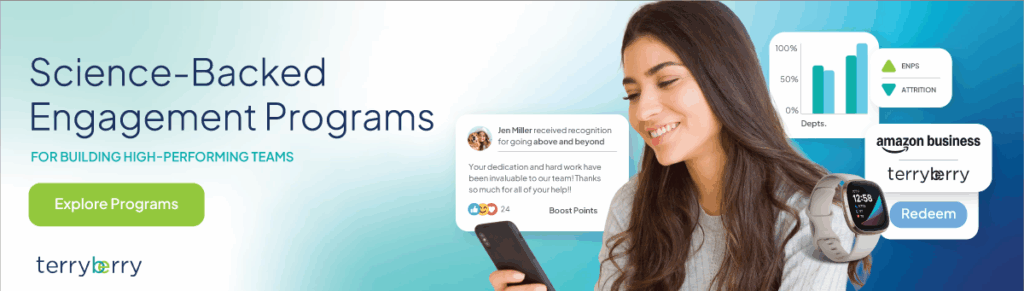
As workplace mental health initiatives evolve, technology-driven solutions are reshaping how organizations support their teams. Virtual platforms ensure remote workers have equal, instant access to vital care, while personalized programs address the unique challenges of a diverse workforce.
By leveraging data-driven insights from employee feedback and usage trends, HR leaders can refine their strategies to build a culture of true resilience—equipping employees with the tools they need to navigate stress and adversity.
World Mental Health Day 2026 is the perfect opportunity to prioritize employee well-being and drive lasting cultural change. By implementing these forward-thinking strategies, you can build a stronger, more inclusive workplace where everyone thrives.
Get started with Terryberry's employee wellness program today.
Frequently Asked Questions