October 12, 2026
 platform to understand what is happening across their workforces. However, while metrics such as turnover, absenteeism, and tenure can reveal important trends, they don’t explain how employees experience the organization or what motivates their behavior. HR leaders increasingly need that context to make informed workforce decisions. […])

Your customers rely on your human capital management (HCM) platform to understand what is happening across their workforces. However, while metrics such as turnover, absenteeism, and tenure can reveal important trends, they don’t explain how employees experience the organization or what motivates their behavior.
HR leaders increasingly need that context to make informed workforce decisions. Yet 74% of CHROs describe their HR analytics capabilities as basic or descriptive, according to Korn Ferry.
Recognition, rewards, wellness, and listening capabilities can provide this additional layer of context within the HCM ecosystem. By bringing employee sentiment, motivation, and connection metrics into view alongside existing workforce data, HCM providers can help HR leaders move from identifying workforce trends to understanding what drives them.
4 Ways Integrated Employee Experience Capabilities Add Value to HCM Platforms
Integrating employee listening, recognition, and engagement capabilities into your HCM platform can help customers understand how the employee experience drives outcomes, including retention, absenteeism, and performance.
Here are four ways these capabilities can expand the value your platform delivers:
1. Earlier visibility into retention risks
HCM data can tell organizations when employees leave. Integrating employee surveys, pulse checks, and continuous listening tools into your platform can help HR leaders detect changes in employee sentiment before turnover occurs.
These capabilities capture measures such as engagement, job satisfaction, and intent to stay. When HR leaders can analyze those measures alongside HCM data such as tenure, role, location, and manager, they can identify where sentiment is declining and which employee groups may require attention.
This combined view turns retention data from a historical record into a more useful planning tool. Organizations gain earlier signals that can guide targeted engagement efforts, while your platform becomes more valuable in addressing priorities such as retention, productivity, and performance.
2. A clearer path from insight to action
Once HR leaders identify where employees may need more support, integrated engagement capabilities give them practical ways to respond and measure the results within your platform.
For example, organizations can introduce recognition, wellness, or other engagement initiatives based on employee feedback, then assess participation alongside subsequent changes in sentiment. This connected view helps HR leaders understand which efforts resonate with employees, determine where adjustments may be needed, and refine their engagement strategies over time.
By connecting employee insights with the programs designed to address them, you can make your HCM platform more valuable across the full engagement cycle, from identifying concerns to evaluating the response.
3. Greater platform value through a connected experience
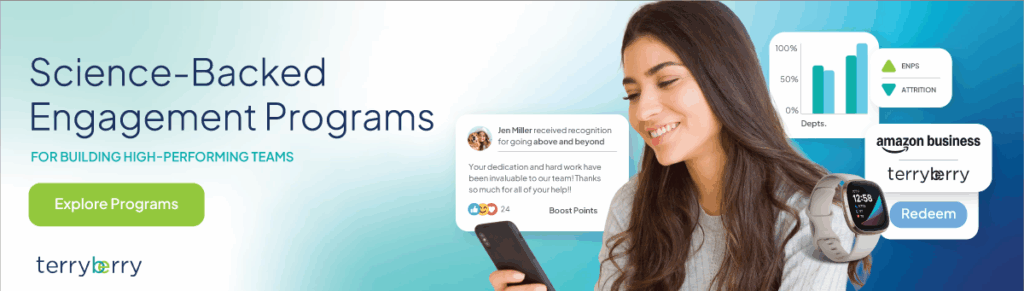
Integrating listening and engagement capabilities gives employees more reasons to use your HCM platform regularly. With one place to complete surveys, recognize colleagues, participate in wellness initiatives, and access other engagement activities, employees can participate without managing additional logins or moving between disconnected systems.
This simpler experience can encourage broader participation across desk-based, deskless, and hybrid workforces. It can also support outcomes like retention: Terryberry’s 2026 Employee Engagement Impact Reportfound that 70% of employees who say their organization's engagement programs work well together also say those programs have significantly affected their choice to stay in their role.
In turn, HR leaders gain more representative feedback and greater visibility into engagement, while you can expand the range of needs your platform addresses without building every capability internally. The result is a more comprehensive and cohesive HCM experience for HR leaders and employees.
4. A stronger story around measurable business value
Integrated engagement capabilities can expand the workforce questions your platform helps HR leaders answer. Which employee populations may be at risk of leaving? What factors could be contributing to disengagement? Which initiatives appear to improve sentiment? How do engagement patterns relate to retention, productivity, and performance?
Helping organizations explore these questions strengthens the connection between your HCM platform and the business outcomes they care about. It also gives you a more strategic value story that’s centered on helping HR leaders understand their workforce and make more informed decisions.
Make Your HCM a Hub for Employee Engagement
Integrating employee engagement capabilities can help your HCM platform support more of the workforce decisions HR leaders need to make. With employee listening, engagement programs, and HCM data connected in one experience, organizations can identify emerging concerns, take informed action, and better understand how engagement relates to broader workforce outcomes.
Learn more about Terryberry’s Be Engaged® program and how it can expand the value your platform delivers to HR leaders and employees.